Board Members Winner: Qazi Shamsud Tamzeed - Chittagong University of Engineering & Technology - with his entry “An Invisible Triangle”
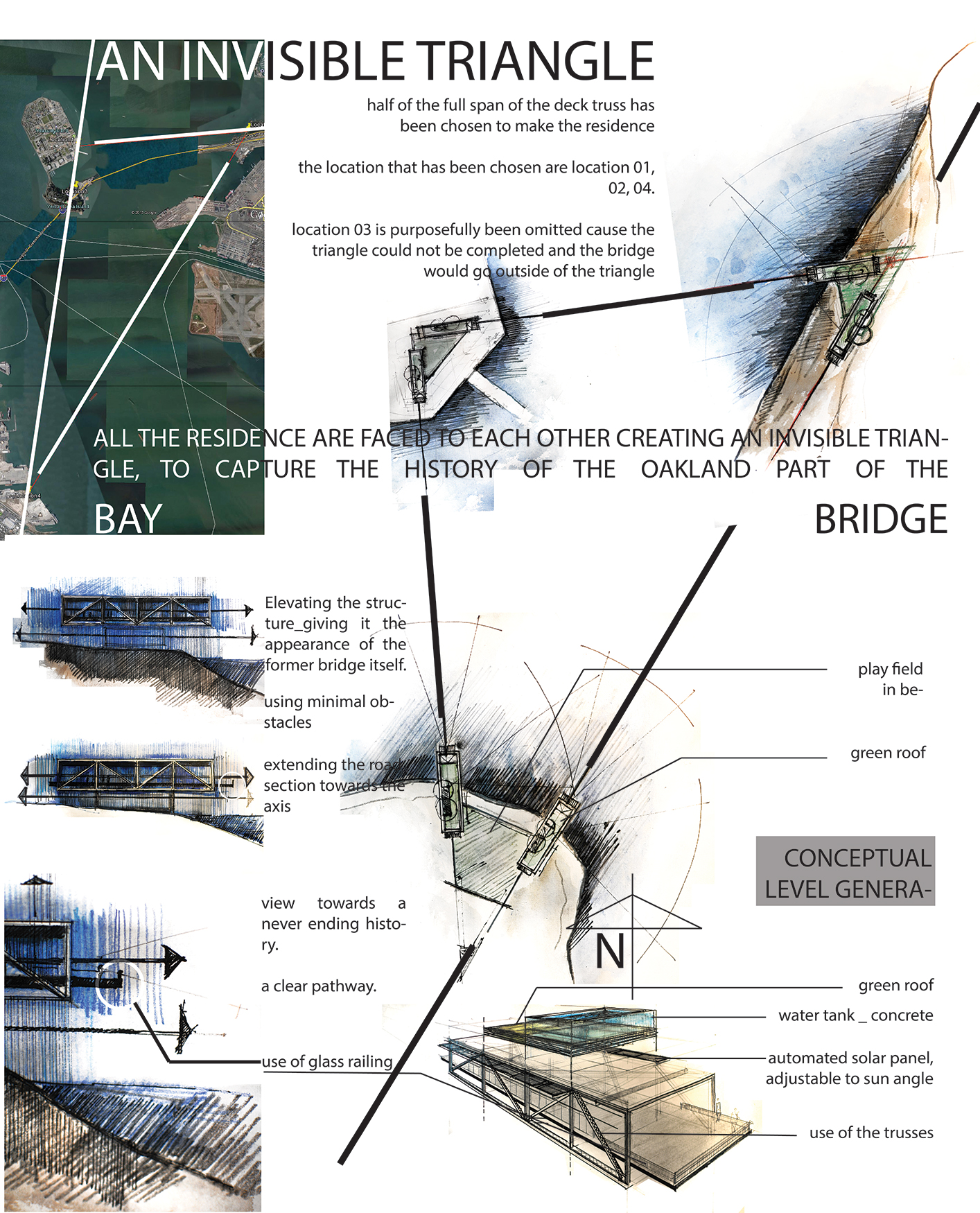
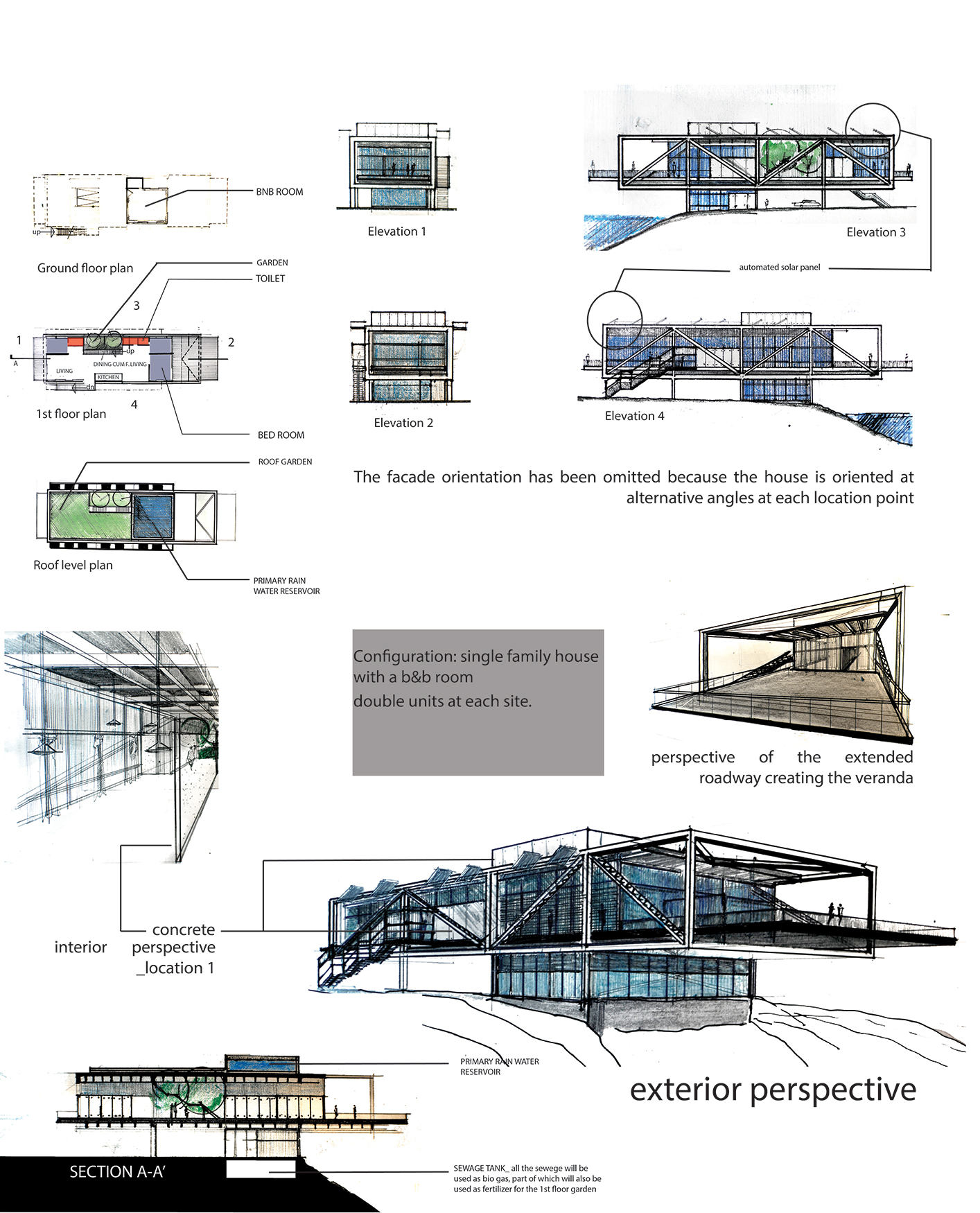
An Invisible Triangle
Half of the span of the deck truss has been chosen to make the residence.
Large Images:
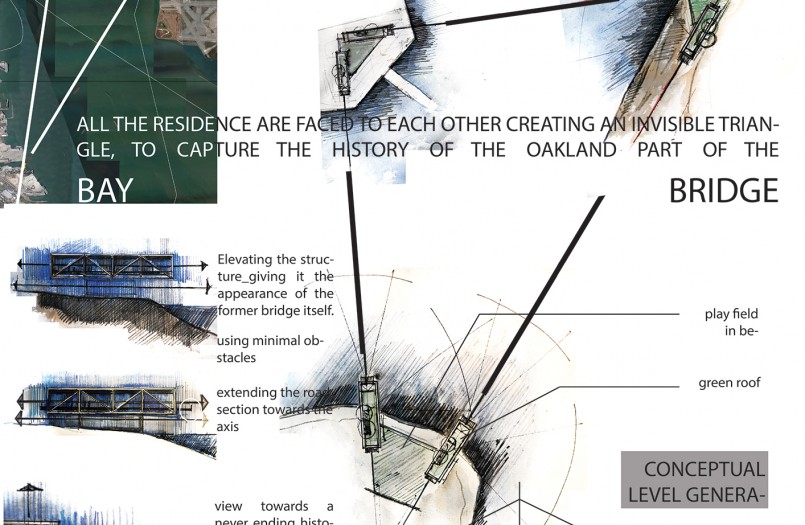

Board Members Winner: Qazi Shamsud Tamzeed - Chittagong University of Engineering & Technology - with his entry “An Invisible Triangle”
An Invisible Triangle
Half of the span of the deck truss has been chosen to make the residence.
Large Images:

Overall Winner: Lee Ka Chun and Ngan Ching Ying - The Royal Danish Academy of Fine Arts and Architecture - with their entry “Hanging House”
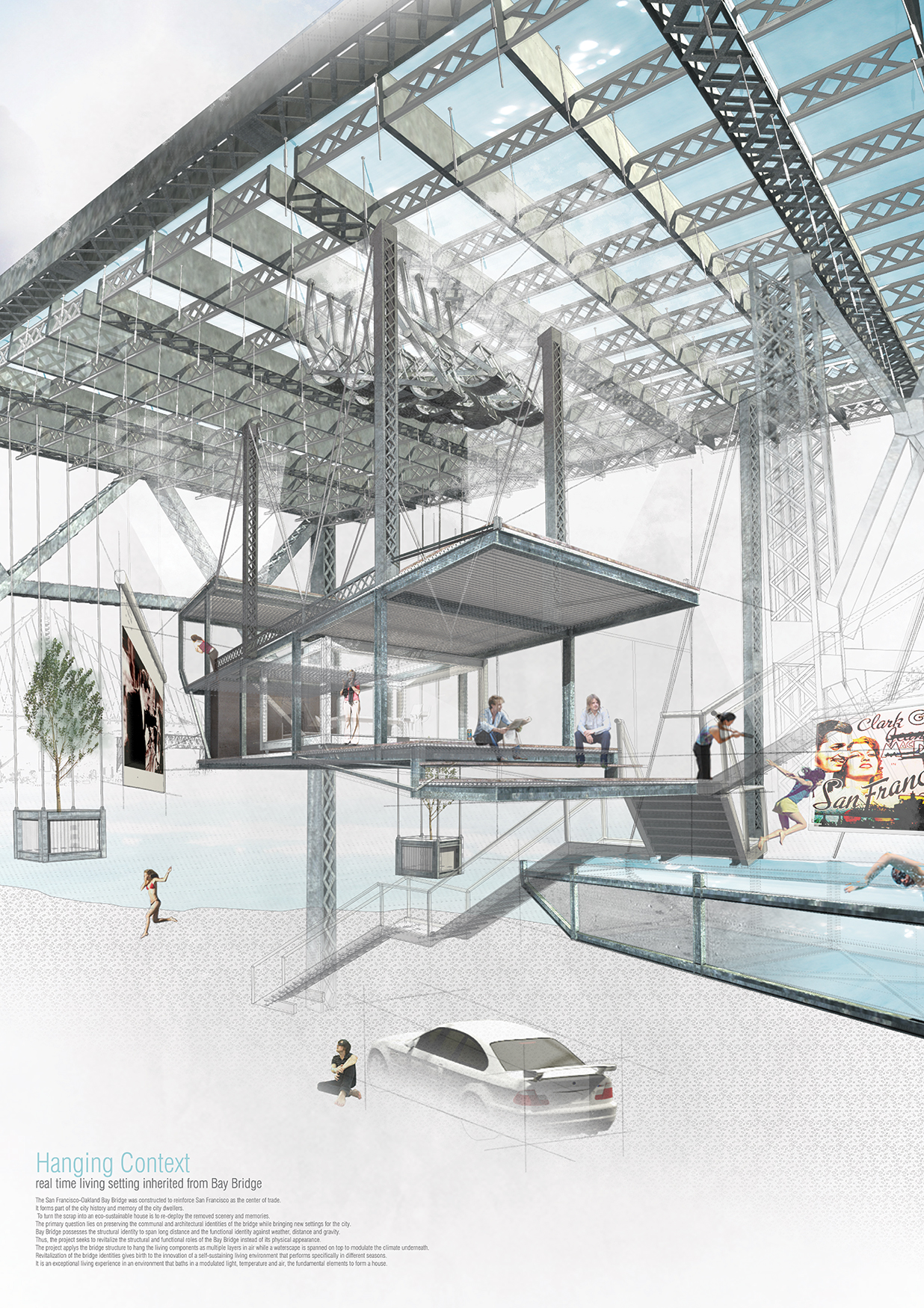
Hanging Contest
Real time living setting inherited from Bay Bridge
The San Francisco-Oakland Bay Bridge was constructed to reinforce San Francisco as the center of trade.
It forms part of the city history and memory of the city dwellers.
To turn the scrap into an eco-sustainable house is to re-deploy the removed scenery and memories.
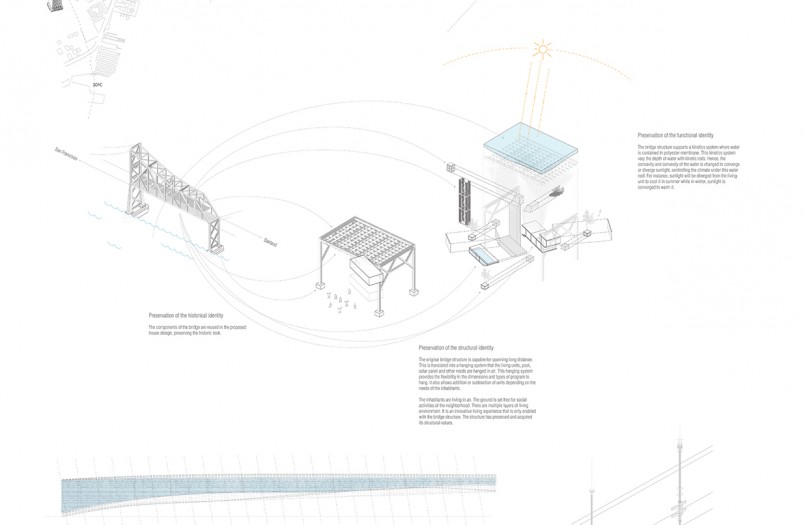
The primary question lies on preserving the communal and architectural identities of the bridge while bringing new settings for the city.
Bay Bridge possesses the structural identity to span long distances and the functional identity against weather, distance and gravity.
Thus, the project seeks to revitalize the structural and functional roles of th eBay Bridge instead of its physical appearance.
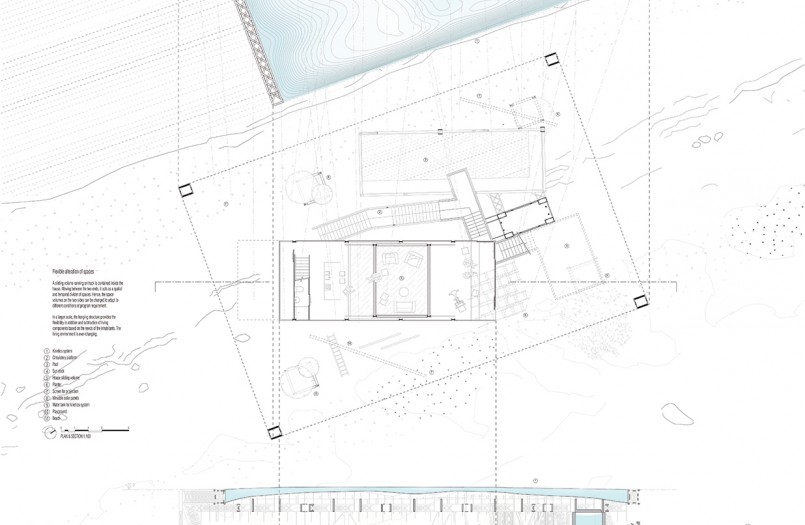
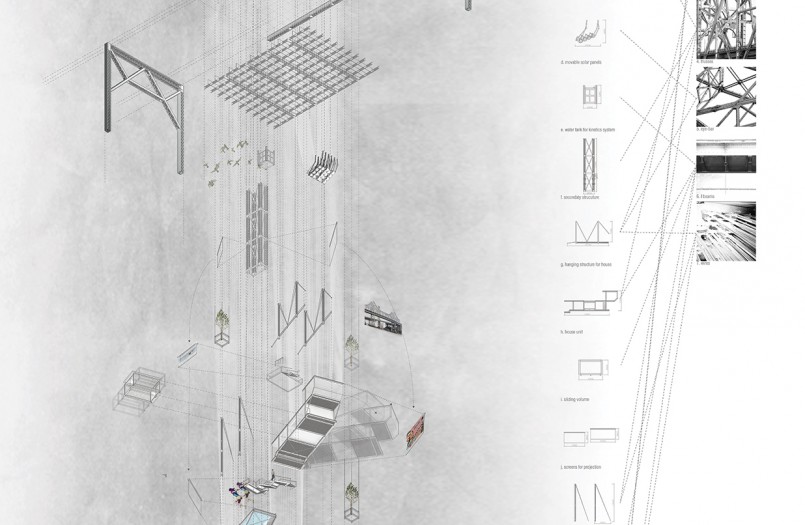
The project applies the bridge structure to hang the living components as multiple layers in air while a waterscape is spanned on top to modulate the climate underneath.
Revitalization of the bridge identities gives birth to the innovation of a self-sustaining living environment that performs specifically in different seasons.
It is an exceptional living experience in an environment that baths in a modulated light, temperature and air, the fundamental elements to form a house.
Large Images:






The Oakland span of the Bay Bridge is about to be demolished and a piece of the Bay Area history will be gone forever. Bay Bridge House, a community supported project, plans to acquire pieces of the span to create a modern contemporary Eco friendly and self sustaining house and multi-use space.
BBH is holding a design competition between students in school for Design and Architecture to come up with the most unique design of the “Bay Bridge House”.
The project plans to build one of the most advanced eco sustainable houses to date, using recycled pieces of the bridge as the structure of the building. We are looking for creative out of the box designs that preserves the historic look and some design elements of the Bridge. Concrete, steel and glass, we do not intend to use any wood and plaster as a building material. The designs must utilize as much of the old bay bridge in the design as possible. This includes trusses, steel I-beams, steel girders, steel plates, wires, gates, fencing, ladders, walkways, concrete, and any other parts associated with the bridge. The location of the house will have a view of the New Bay Bridge.
The old span of the bridge is listed in the National Registry of Historic Places, we will file for Historic Land Mark status for the structure once it is built. We will also file for LEED certification, please design accordingly.
Visual aids will be provided to help with your designs upon registration. We have large close up images of sections of the bridge for you to download. More information about the contest can be found here: Link to The Competition
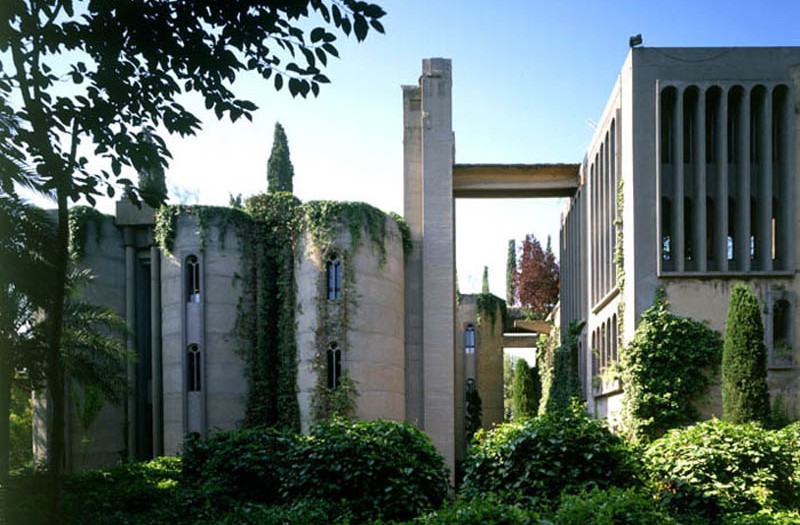
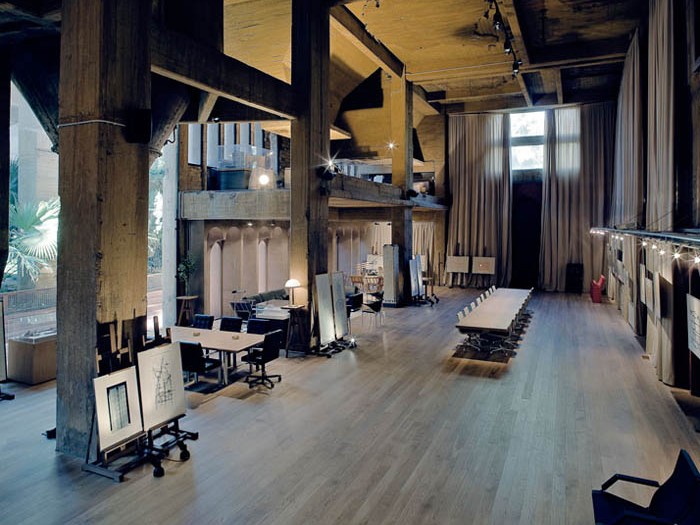
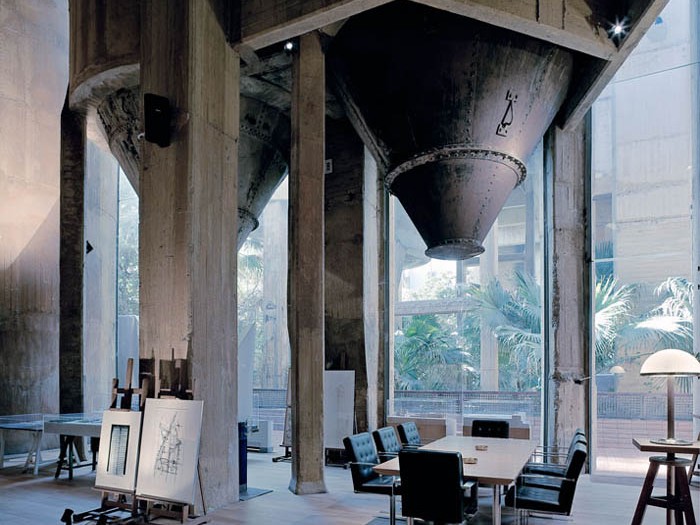
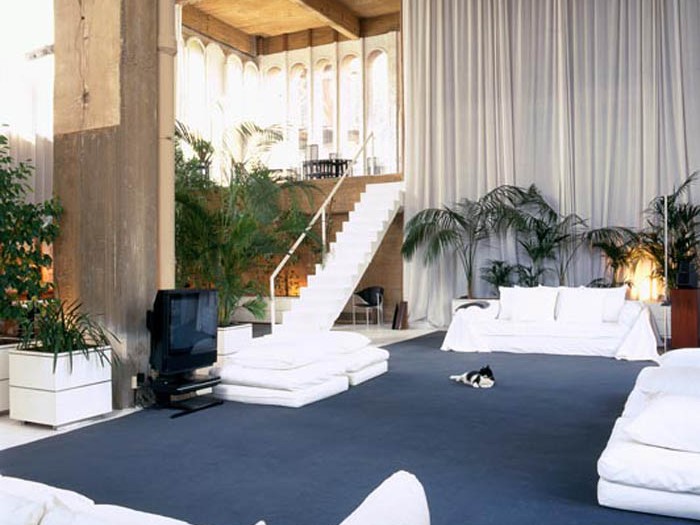
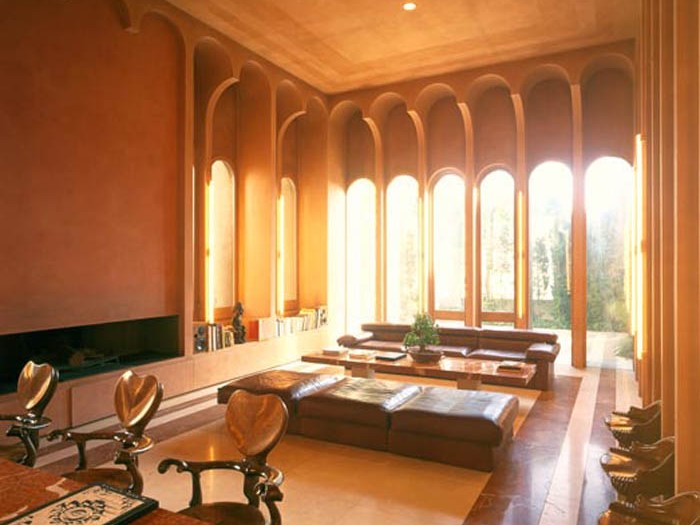
The cement factory conversion by Ricardo Bofill in Barcelona, Spain is one of the most interesting the Sifter has seen to date. With over 30 silos, multiple buildings and towering ceilings throughout, the space is incredibly raw and presents countless design challenges. Now a multi-purpose facility with an office, residence, exhibition space and more, this is an incredibly unique property with equally an equally dramatic landscape and views of the beautiful Barcelona. See below for full details and information on Ricardo Bofill. Enjoy!
Twistedsifter Article - 30 pics
Architect - Ricardo Bofill
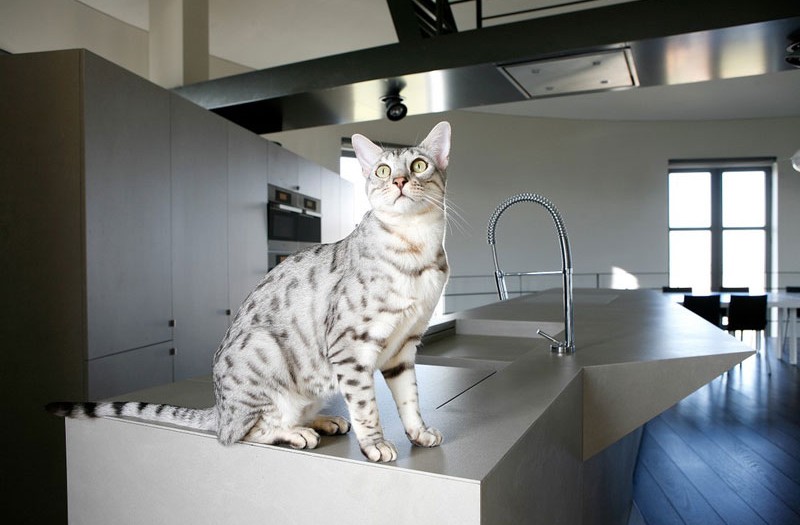
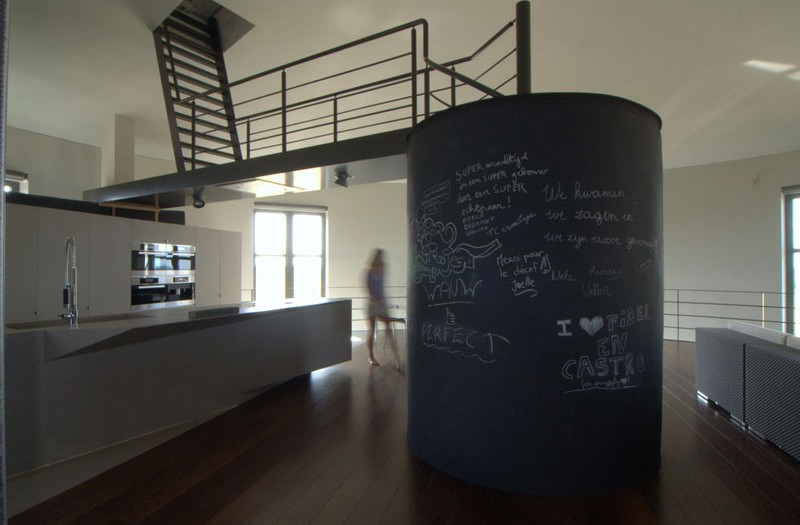
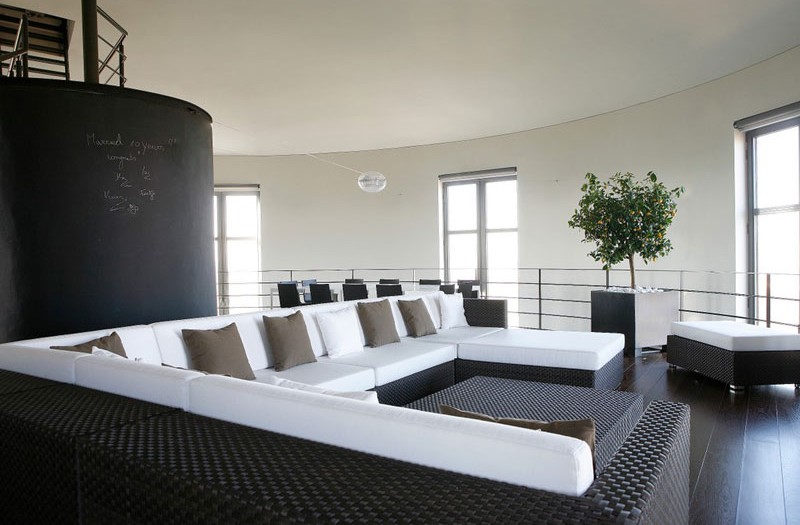
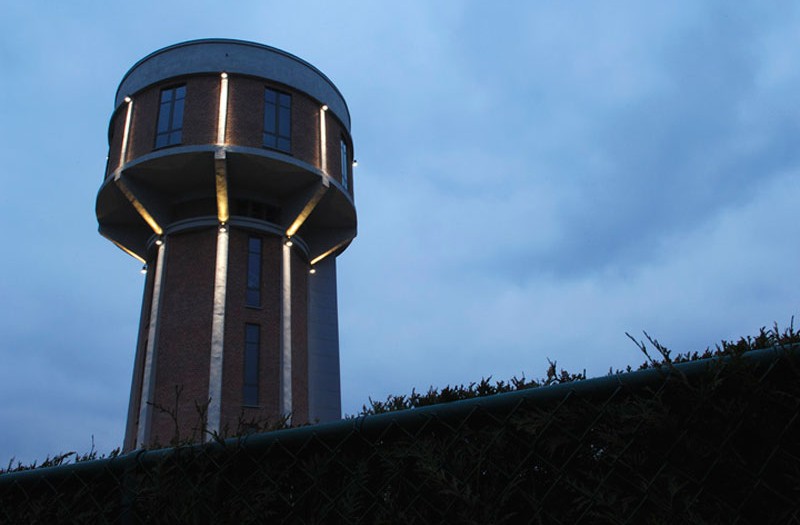
Located in the Belgian village of Steenokkerzeel, this 30 meter (98.4 ft) water tower was originally built between 1938 and 1941. It was in service until the 1990s and was even used as a watchtower by the Nazis when they took over Belgium in World War II.
In 2007, Bham Design Studio set forth to completely renovate and convert the former water tower into a single family home. The exterior was completely restored to its original state, while columns were repaired, joints were removed and top floor windows were enlarged.
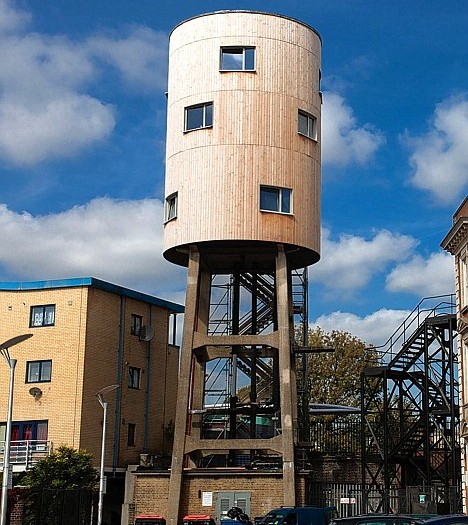
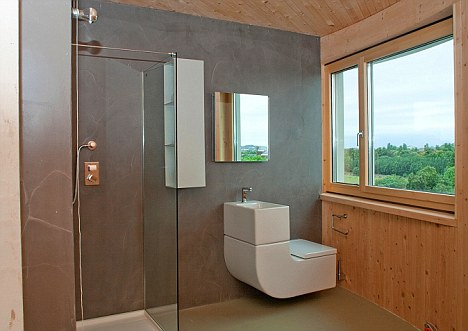
Over the past two years, shoppers at a West London supermarket may have noticed a bizarre cylindrical dwelling taking shape high above the store’s car park.
The structure from which it has been created - a 60ft tower holding a vast water tank - could not have looked more uninhabitable.
But since 2009, this concrete drum has slowly undergone an incredible transformation.
Another Artcile
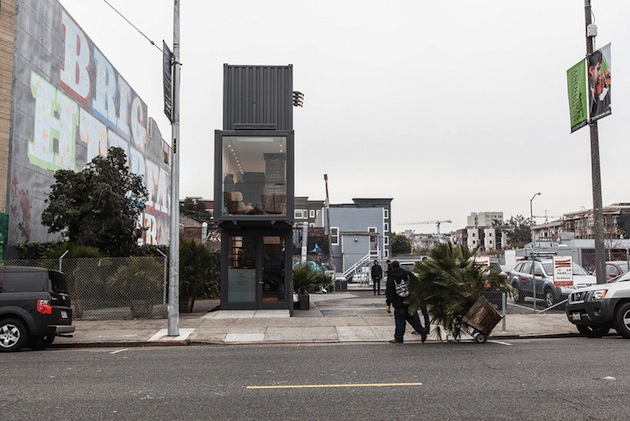


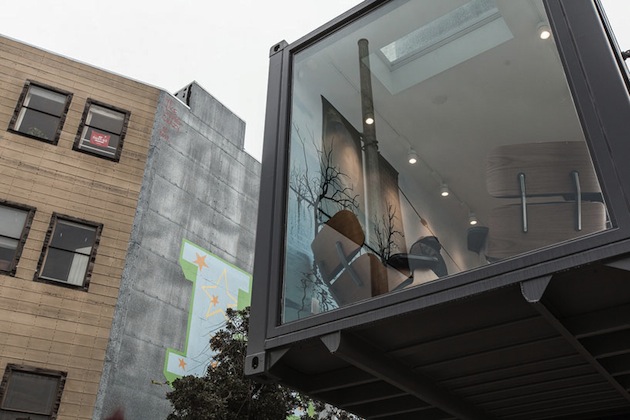
Shipping container design is getting to be more and more of an interesting and eye-catching feature when you’ve got a business that’s based on consumers. Aether Apparel in San Francisco has taken their shop to all new heights (literally) with their three stacked shipping container design by Envelope A+D in collaboration with Chris French Metal.
By taking standard sized containers and offsetting them, they create cantilevered sections on the second and third stories. Glass casements allow for another architectural element to show off the structure and its upcycled nature. The interior is outfitted with reclaimed oak flooring and even a conveyor belt for a little extra element of surprise.
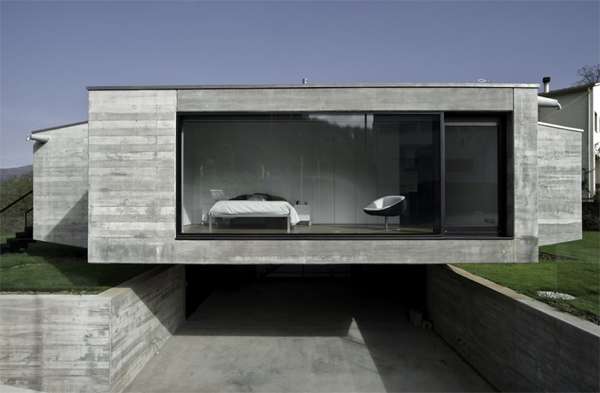
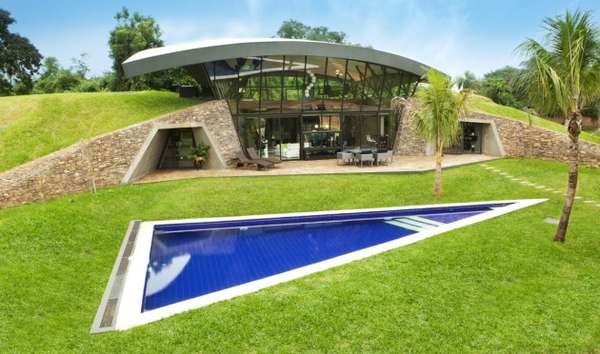
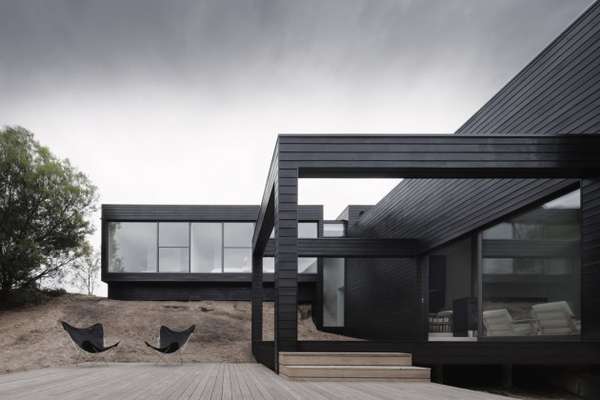
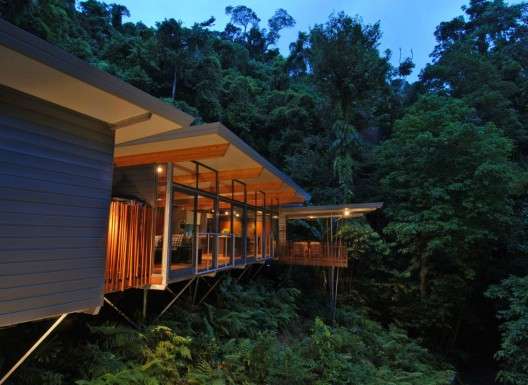
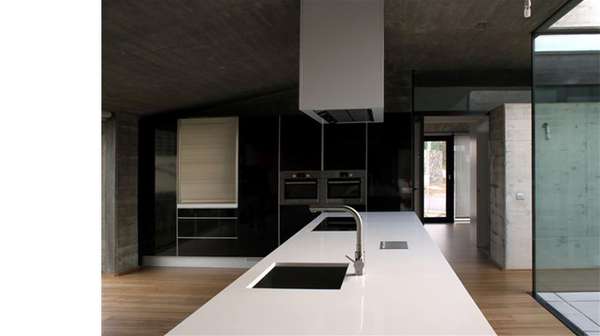
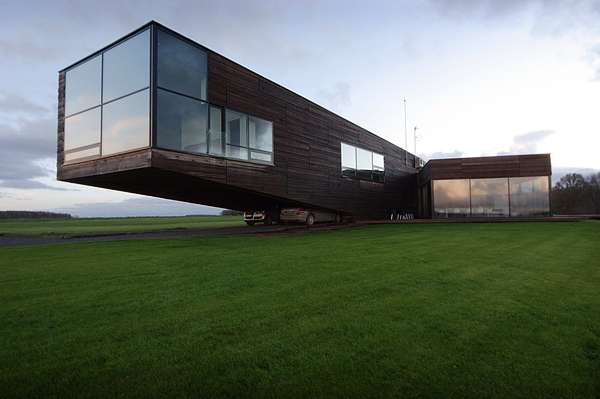
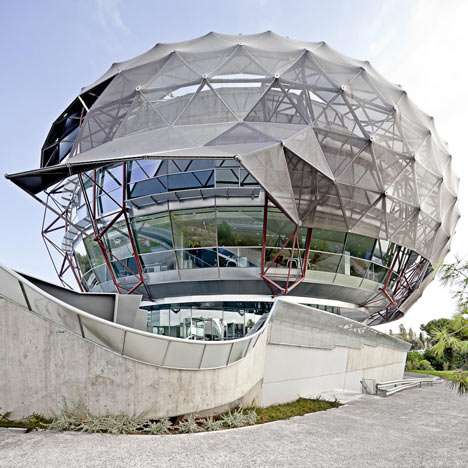
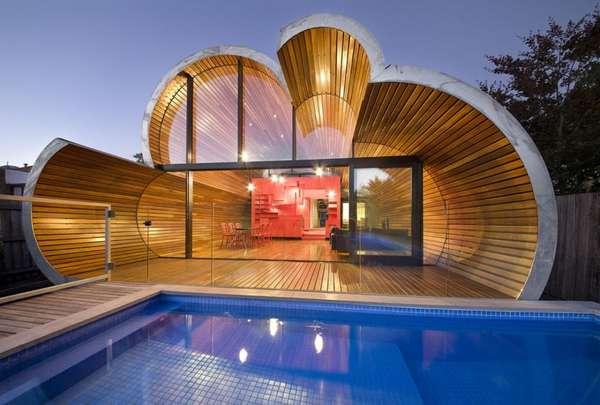
From dirt wall abodes to pixelated panel interiors, the best architecture trends of 2012 showed a wide range of innovative designs.
2012 was also a year for homes inspired by pop culture. The Hobbit in particular was a popular theme leading up to the movie’s release in December, resulting in architecture with a seemingly earthy feel. It appeared that consumers were open to new designs with this eco look, and some even welcomed homes made mostly out of dirt. Compared to some of the more modern chic abodes on the market, designs such as these proved the public were still willing to buy homes with a minimum amount of grandeur.
Trend Hunter’s Architecture Trend Report explores the implications of these designs in much more detail, and can help businesses looking for ideas in this area.
TrendHunter - Article
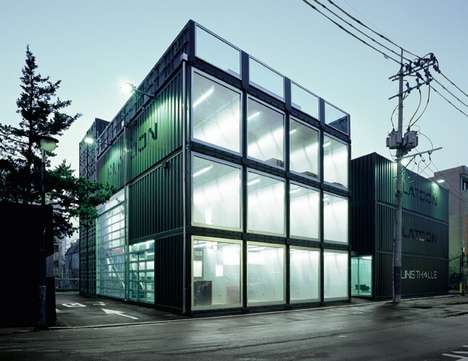
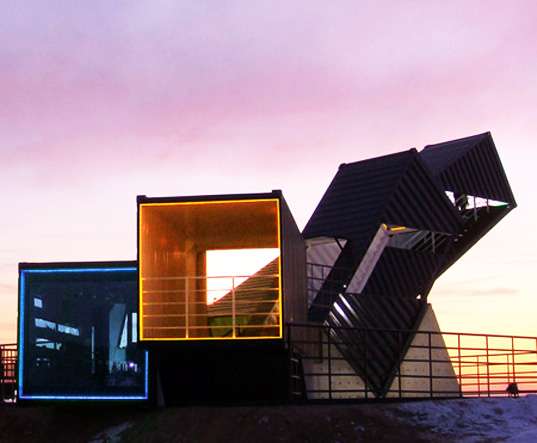
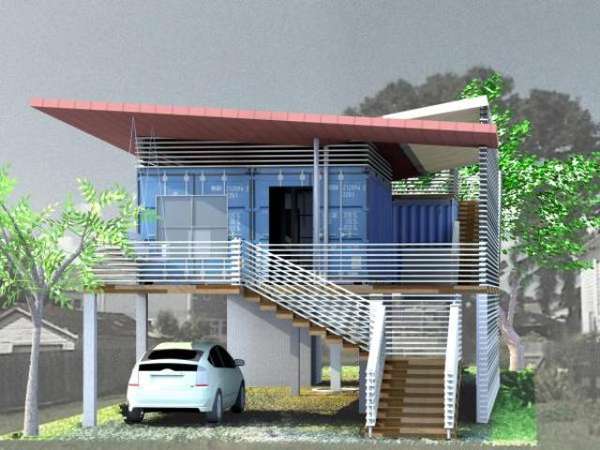
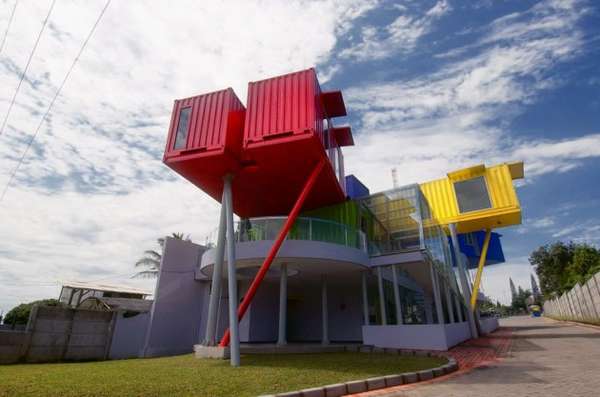
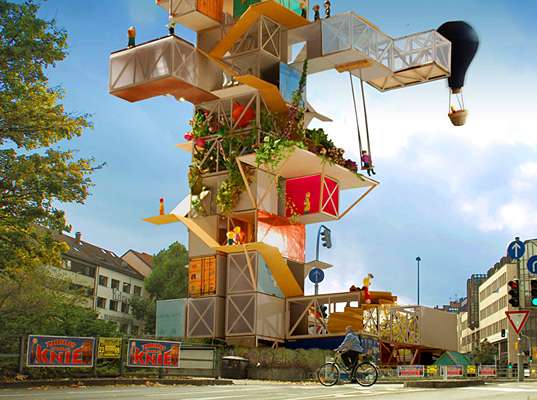
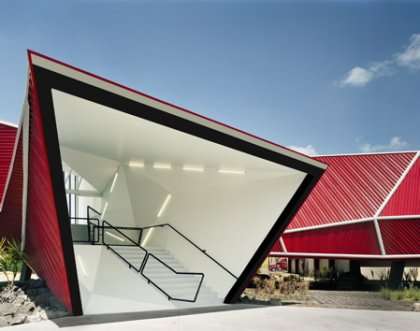
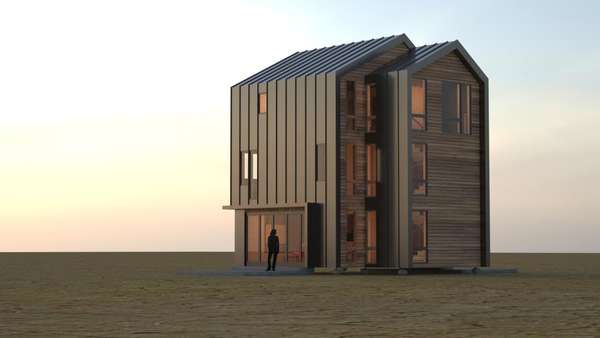
The rise in popularity of shipping container concepts underscores our competitive and quick-changing society in which companies, housing and art space have to constantly adapt.
Shipping containers are the new space for anything from coffee shops to furniture stores. The temporary nature of these shops is a valuable aspect of the business model. An element of exclusivity and time-sensitivity is the novelty aspect that attracts people to the shop. The flexibility that comes with temporary locations increases consumer accessibility to products or services.
The shipping container wins in terms of practically, as idle shipping containers can be repurposed for tangible use and the industrial look is both mod and rad in contemporary design circles.
Industrial Box Coffee Shops to On-Demand Housing Article


Recent Comments