Tag: Commercial

Antón García-Abril - Architect

Ensamble Studio

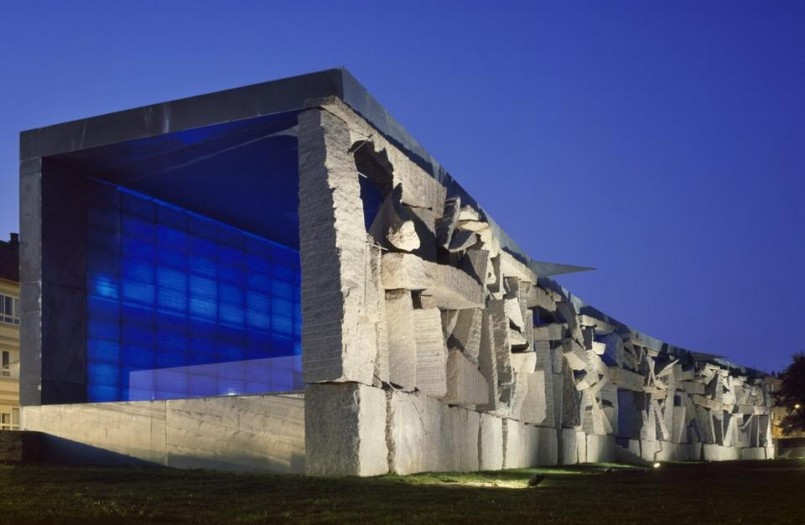
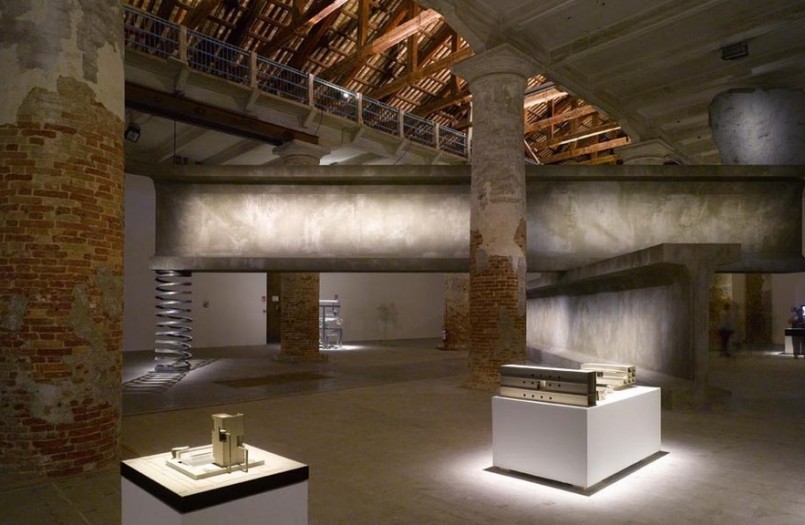
Antón García-Abril, (Madrid, 1969) is a European PhD Architect, full-professor at the School of Architecture and Planning of the Massachusetts Institute of Technology (M.I.T.), and he is currently developing a second doctoral thesis about “Stressed Mass” at the School of Civil Engineering of the Polytechnic University of Barcelona. He received the Spanish Academy Research Prize in Rome in 1996. He has been associate professor at the School of Architecture of the Polytechnic University of Madrid (E.T.S.A.M.-U.P.M.) for a decade, invited professor at the Graduate School of Design of Harvard University in 2010 and Cornell University in 2008, and visiting critic and lecturer in different universities and institutions in America and Europe. In 2000 he establishes ENSAMBLE STUDIO leading, together with his partner Débora Mesa, a cross-functional team with a solid research background on the lookout for new approaches to architectonical space, building technologies and urban strategies. Their built projects are exposed structures that explore the essence of materials to create space. The Music Studies Center and the SGAE Central Office in Santiago de Compostela, the Martemar House in Malaga, the Hemeroscopium House in Madrid, The Truffle in Costa da Morte (Spain) and more recently the Reader’s House in Madrid and the Cervantes Theater in Mexico City have been internationally published. Their office has been awarded with important prizes like The Rice Design Alliance Prize to emerging architects in 2009 or the Architectural Record Design Vanguard Prize in 2005, and was selected by SANAA to participate in the Venice Biennale of Architecture 2010. This year Antón has been elected an International Fellow of the Royal Institute of British Architects (RIBA) for his services to international architecture, and has been curator of the Spanish Pavilion at the Venice Biennale presenting “Spainlab”. He co-founded with Débora Mesa the Positive City Foundation in 2009, with the aim of forwarding their views on urban development, and they are in the process of setting up a research laboratory at MIT, the POPLab (Prototypes of Prefabrication Laboratory).
Ensamble Studio

James Law - Architect

CYBERTECTURE

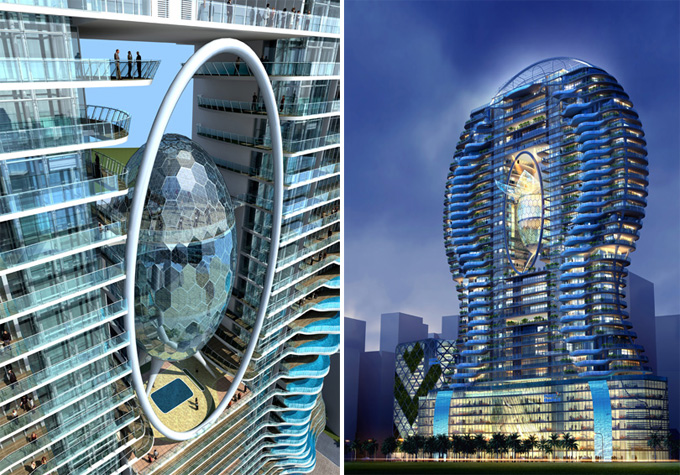
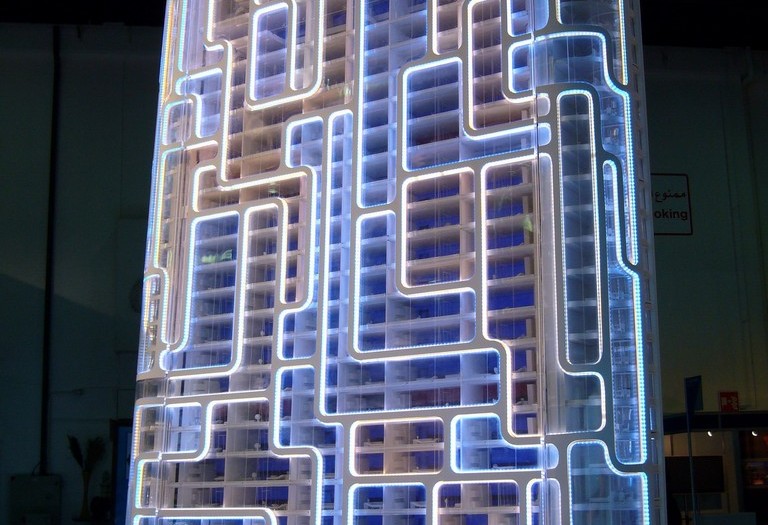
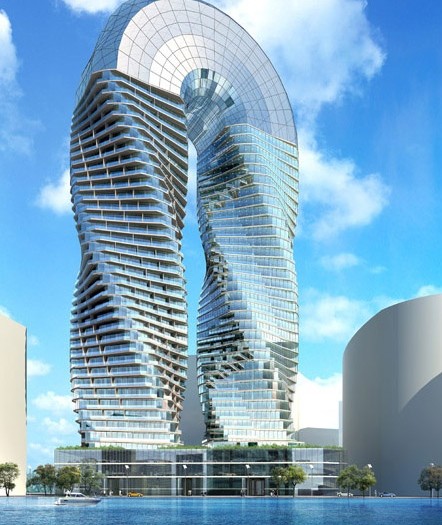
Cybertecture is the revolutionary concept that provides a symbiotic relationship between the urban fabric and technology. Pioneered in 2001, Cybertecture forges both the hardware of the built environment and software systems and technologies from the micro to macro scales of development.

The genesis of Cybertecture is in response to man’s progress into the 21st century, where working and living environments need to adapt and evolve to cope with the demands of modern working life. It plays an integral part in this evolution by providing awareness and connectivity via seamless integration of technology into the fabric of space.

Cybertecture designs, from technology, products and interiors to systems, buildings and masterplans, allow flexibility and accessibility to inform, adapt, react, communicate, manipulate and control environments, whilst being sustainable and environmentally considered in application and context.

Cybertecture embraces the future through continuous innovation and evolution of design and technology. It provides a myriad of solutions, all of which are diverse in individual application but holistic to the overall user environment, and always being integrated with innovation being pursued.

Cybertecture is the logical progression in the evolution of design and technology. Innovating locally and affecting globally, it addresses the fundamentals of sustainable and balanced designs, with every step taken in consideration to local and global impact.

In a world fast growing and developing with limited resources, Cybertecture aims to create more awareness with healthier environments to live, work and play in.

James Law

Big Dig Building

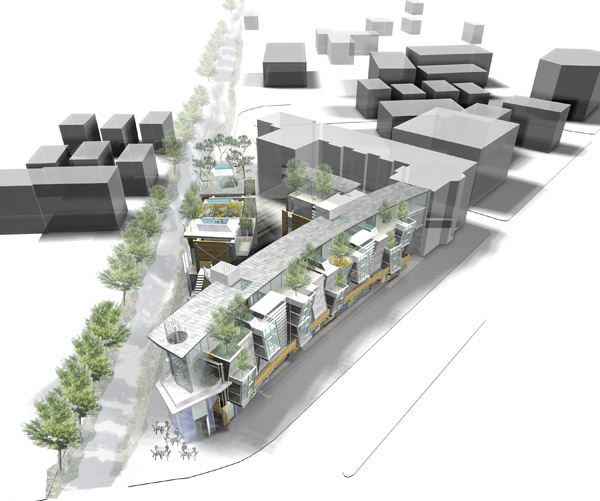
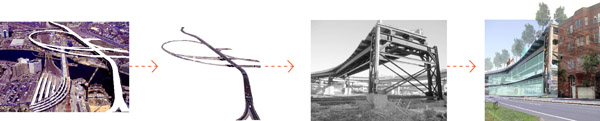
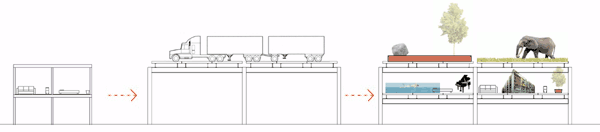
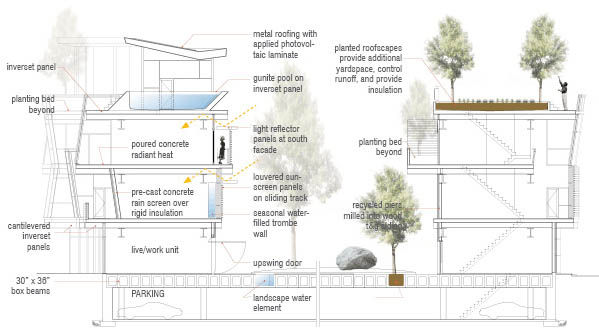
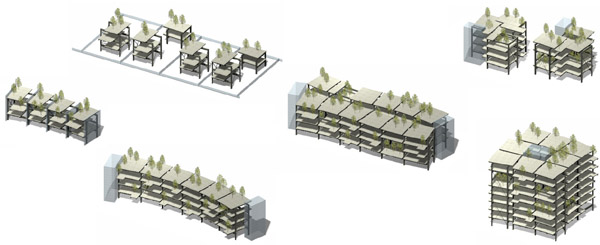
Most are familiar with Boston’s ongoing “Big Dig.” Few, however, give thought to the massive amount of waste that accompanies construction on this scale, namely the dismantling of the existing and temporary roadways. The Big Dig Building proposes to relocate and recycle these infrastructural materials as building components, adapting them to uses ranging from structural members to cladding. Furthermore, as these reused materials can withstand much higher loads than conventional building elements, the social ramifications of “heavy” in relation to “dwelling” can produce new and innovative results.

SSD - Big Dig Building