Category: Architects

Antón García-Abril - Architect

Ensamble Studio

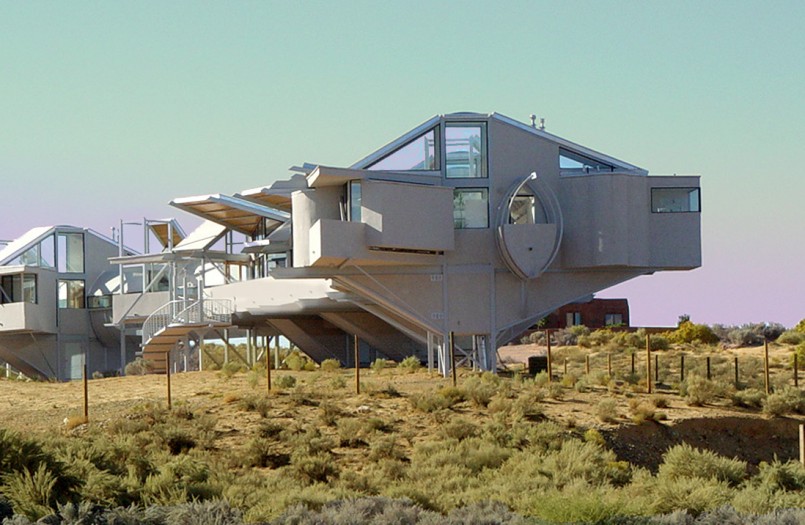
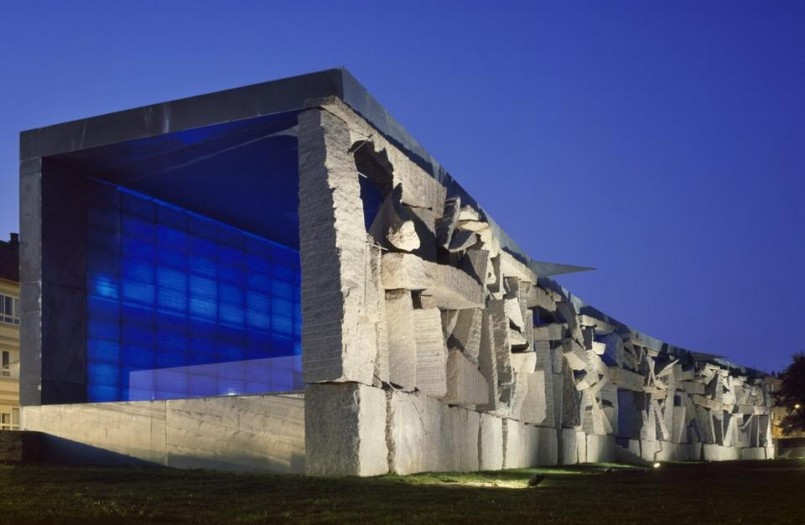
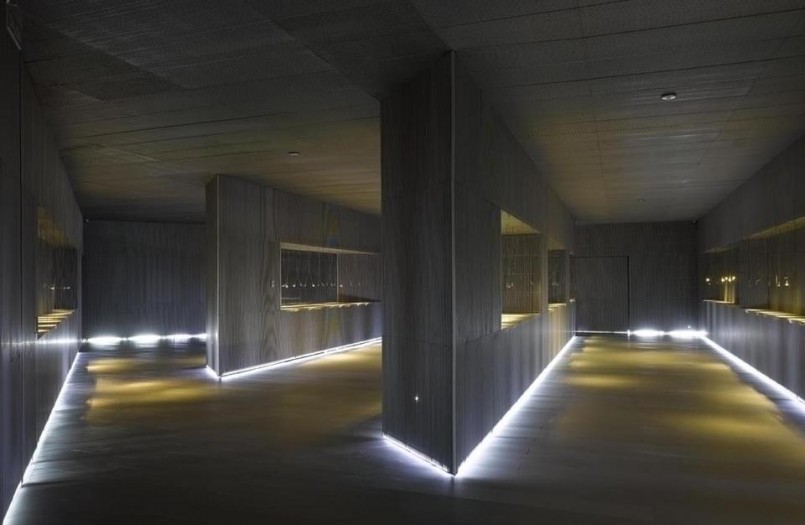
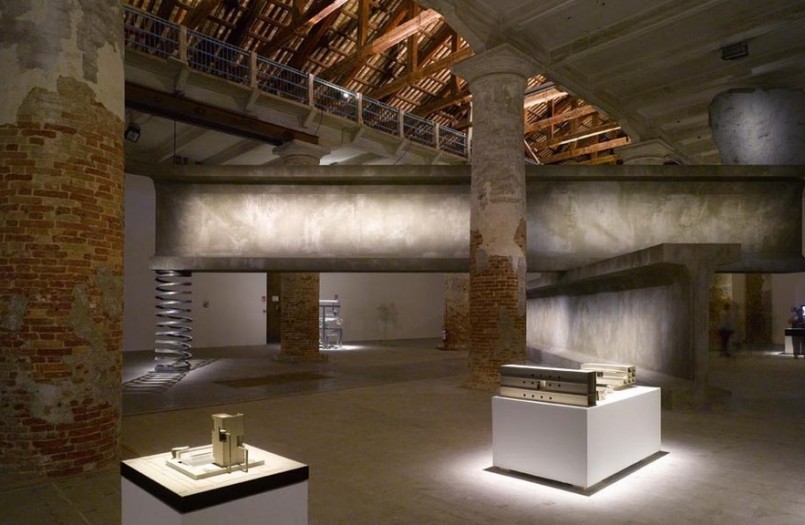
Antón García-Abril, (Madrid, 1969) is a European PhD Architect, full-professor at the School of Architecture and Planning of the Massachusetts Institute of Technology (M.I.T.), and he is currently developing a second doctoral thesis about “Stressed Mass” at the School of Civil Engineering of the Polytechnic University of Barcelona. He received the Spanish Academy Research Prize in Rome in 1996. He has been associate professor at the School of Architecture of the Polytechnic University of Madrid (E.T.S.A.M.-U.P.M.) for a decade, invited professor at the Graduate School of Design of Harvard University in 2010 and Cornell University in 2008, and visiting critic and lecturer in different universities and institutions in America and Europe. In 2000 he establishes ENSAMBLE STUDIO leading, together with his partner Débora Mesa, a cross-functional team with a solid research background on the lookout for new approaches to architectonical space, building technologies and urban strategies. Their built projects are exposed structures that explore the essence of materials to create space. The Music Studies Center and the SGAE Central Office in Santiago de Compostela, the Martemar House in Malaga, the Hemeroscopium House in Madrid, The Truffle in Costa da Morte (Spain) and more recently the Reader’s House in Madrid and the Cervantes Theater in Mexico City have been internationally published. Their office has been awarded with important prizes like The Rice Design Alliance Prize to emerging architects in 2009 or the Architectural Record Design Vanguard Prize in 2005, and was selected by SANAA to participate in the Venice Biennale of Architecture 2010. This year Antón has been elected an International Fellow of the Royal Institute of British Architects (RIBA) for his services to international architecture, and has been curator of the Spanish Pavilion at the Venice Biennale presenting “Spainlab”. He co-founded with Débora Mesa the Positive City Foundation in 2009, with the aim of forwarding their views on urban development, and they are in the process of setting up a research laboratory at MIT, the POPLab (Prototypes of Prefabrication Laboratory).
Ensamble Studio

James Law - Architect

CYBERTECTURE

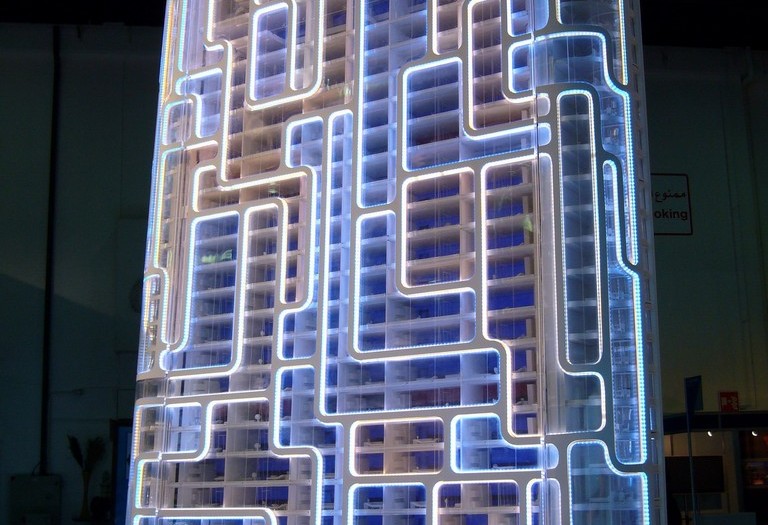
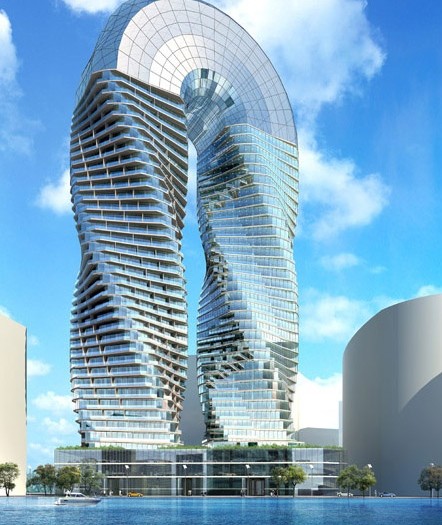
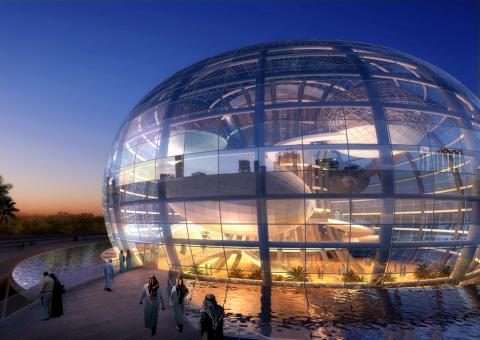
Cybertecture is the revolutionary concept that provides a symbiotic relationship between the urban fabric and technology. Pioneered in 2001, Cybertecture forges both the hardware of the built environment and software systems and technologies from the micro to macro scales of development.

The genesis of Cybertecture is in response to man’s progress into the 21st century, where working and living environments need to adapt and evolve to cope with the demands of modern working life. It plays an integral part in this evolution by providing awareness and connectivity via seamless integration of technology into the fabric of space.

Cybertecture designs, from technology, products and interiors to systems, buildings and masterplans, allow flexibility and accessibility to inform, adapt, react, communicate, manipulate and control environments, whilst being sustainable and environmentally considered in application and context.

Cybertecture embraces the future through continuous innovation and evolution of design and technology. It provides a myriad of solutions, all of which are diverse in individual application but holistic to the overall user environment, and always being integrated with innovation being pursued.

Cybertecture is the logical progression in the evolution of design and technology. Innovating locally and affecting globally, it addresses the fundamentals of sustainable and balanced designs, with every step taken in consideration to local and global impact.

In a world fast growing and developing with limited resources, Cybertecture aims to create more awareness with healthier environments to live, work and play in.

James Law

Bart Prince - Architect

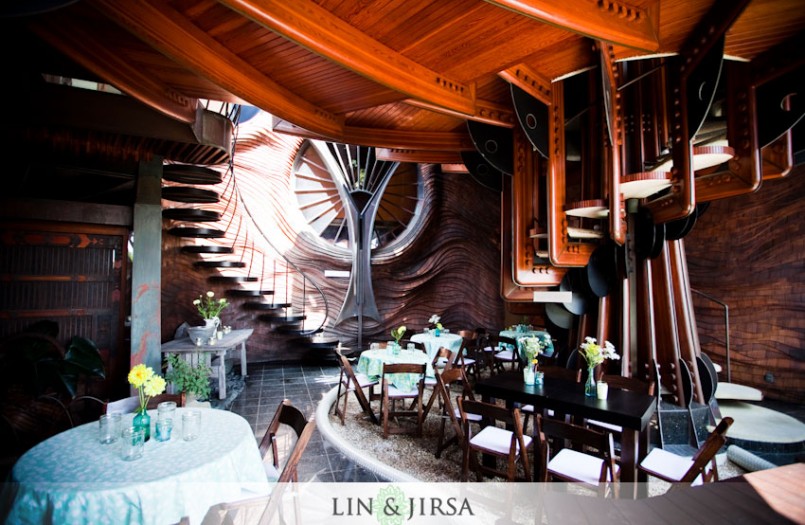
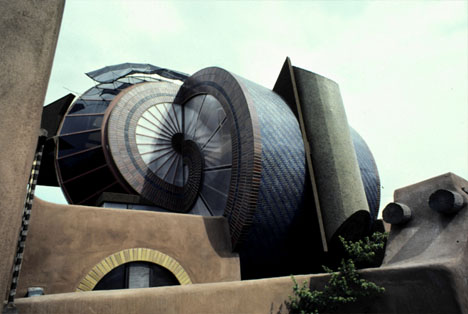
By Far my favorite Architects of our time.

ARCHITECTURE comes about as a result of the synthesizing by the architect of creative responses to input from the client; data gathered from the site and the climate; and an understanding of structure, materials, space and light. Working from the inside-out, the architect guides the growth of an IDEA resulting from the combination of these responses to a completed design which is as much a portrait of the client as it may be of himself.”
- Bart Prince

Bart Prince

River Place / Paul F. Hirzel

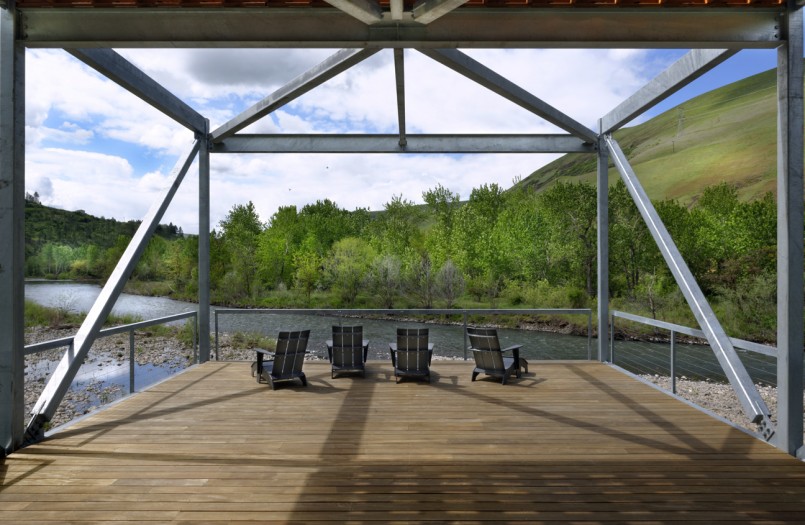
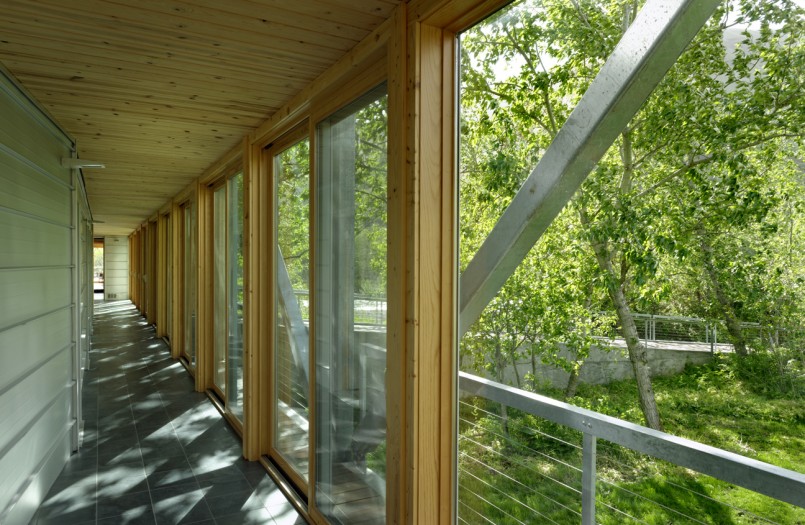
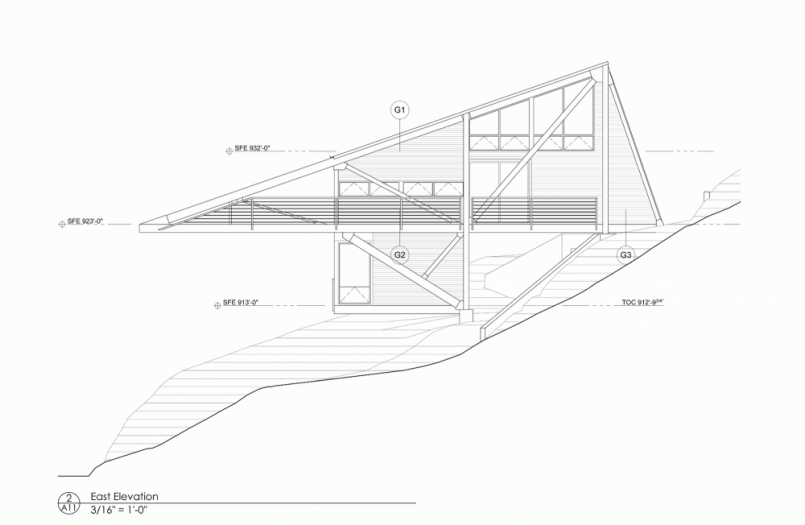
From the architect. At the end of a single lane road cut into a hillside, on a dry west-facing slope near Juliaetta, Idaho, the owners wanted to restore a pioneer vineyard (the first known vineyard in the canyon). Preserving the most ideal land for the vineyard, we located two structures – one above a flood plain, the other perched on a narrow basalt cliff overlooking a spawning pool on the Potlatch River. The owner and guest quarters are housed in one structure and the other is used for special events such as wine tasting.
ArchDaily - Article
River Place

Chiles Residence

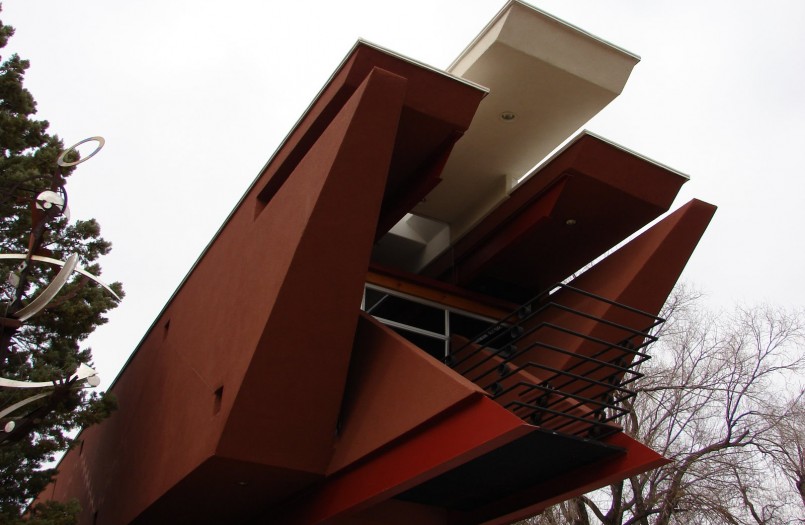
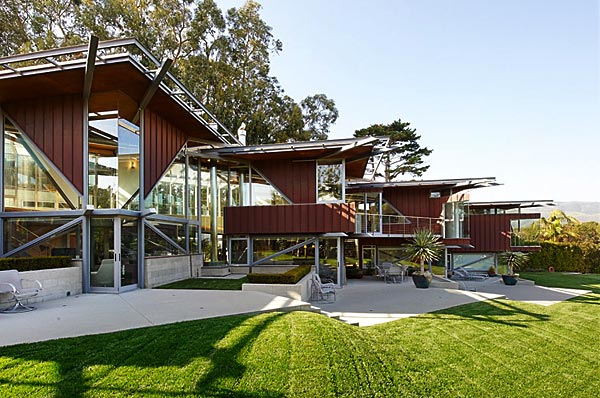
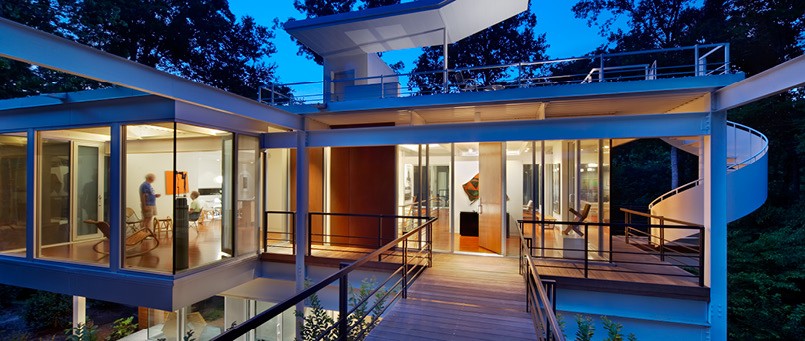
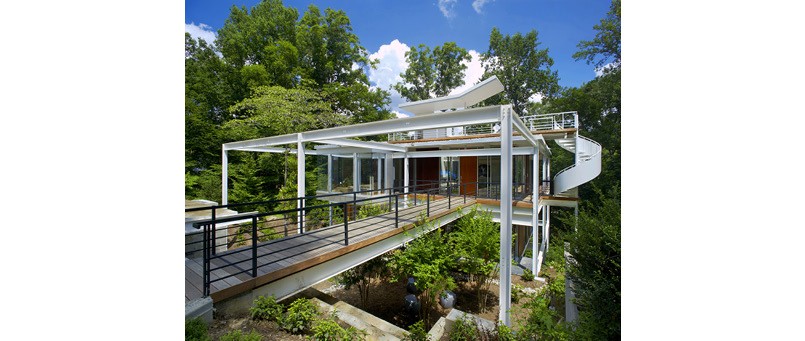
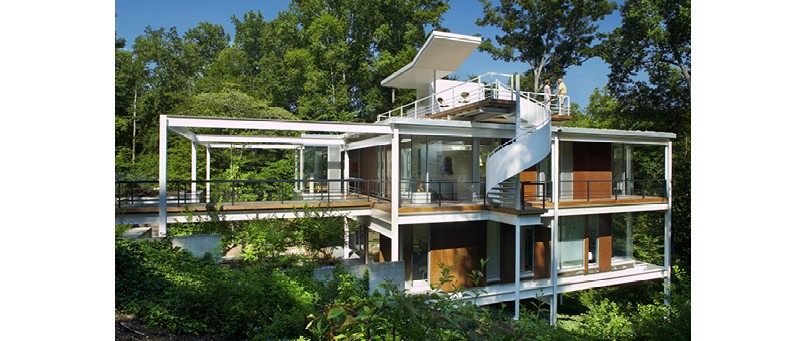
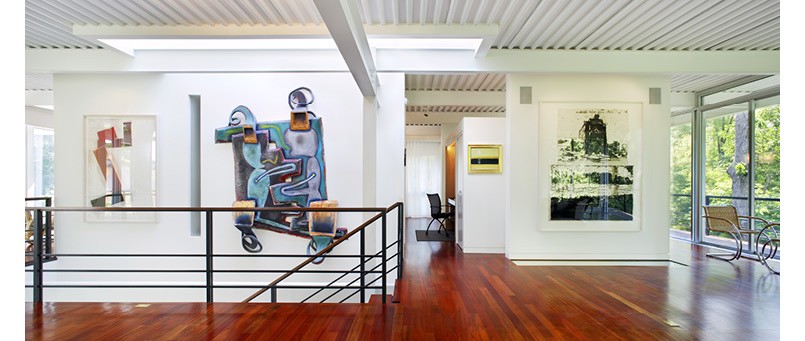
Built upon the steel frame of a previous home and a love of mid-century modern art and architecture, the Chiles Residence provides both open perches and quiet retreats on its wooded hill site. Using rusted steel panels and white painted steep beams, along with wood, aluminum and glass, the house frames both art and views of the landscape. The roof garden combines elements that serve, both in form and reason, to counter the clearly defined steel structure and at the same time giving feelings of height and expansion.

Tonic-Design - CHILES RESIDENCE

Article about house

Big Dig Building

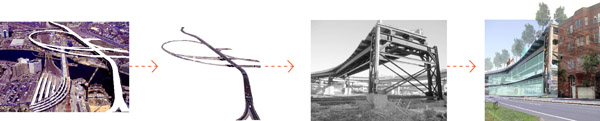
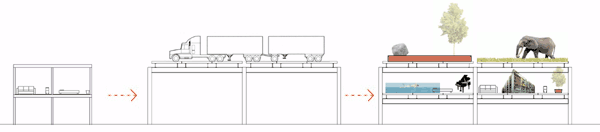
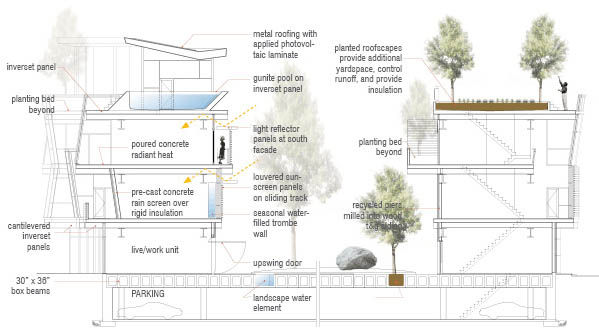
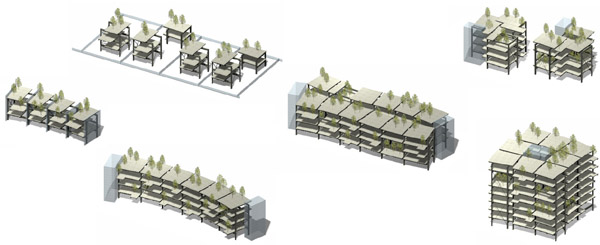
Most are familiar with Boston’s ongoing “Big Dig.” Few, however, give thought to the massive amount of waste that accompanies construction on this scale, namely the dismantling of the existing and temporary roadways. The Big Dig Building proposes to relocate and recycle these infrastructural materials as building components, adapting them to uses ranging from structural members to cladding. Furthermore, as these reused materials can withstand much higher loads than conventional building elements, the social ramifications of “heavy” in relation to “dwelling” can produce new and innovative results.

SSD - Big Dig Building

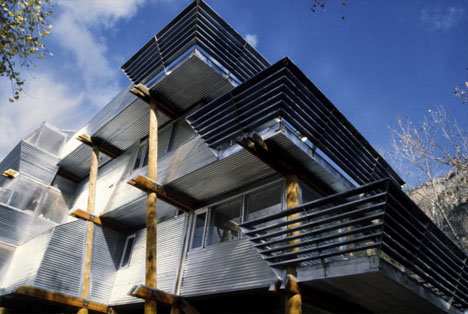
Panel House

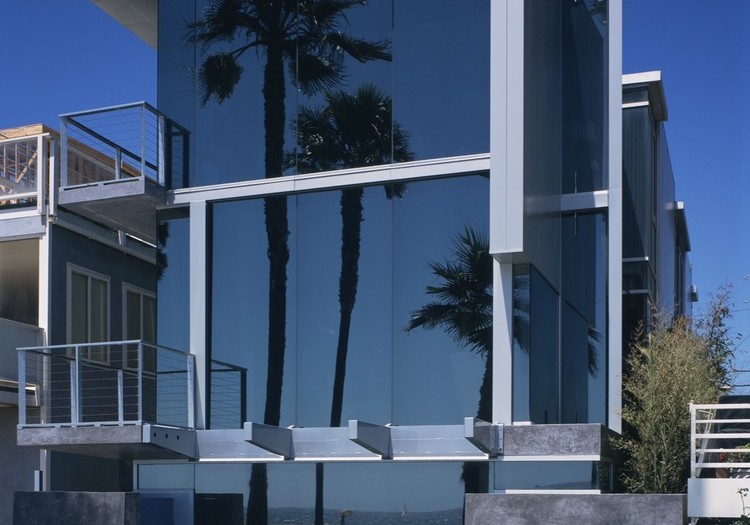
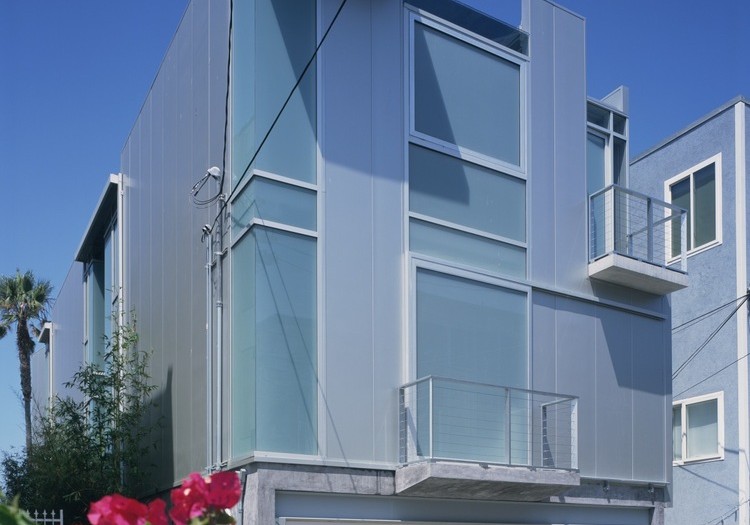
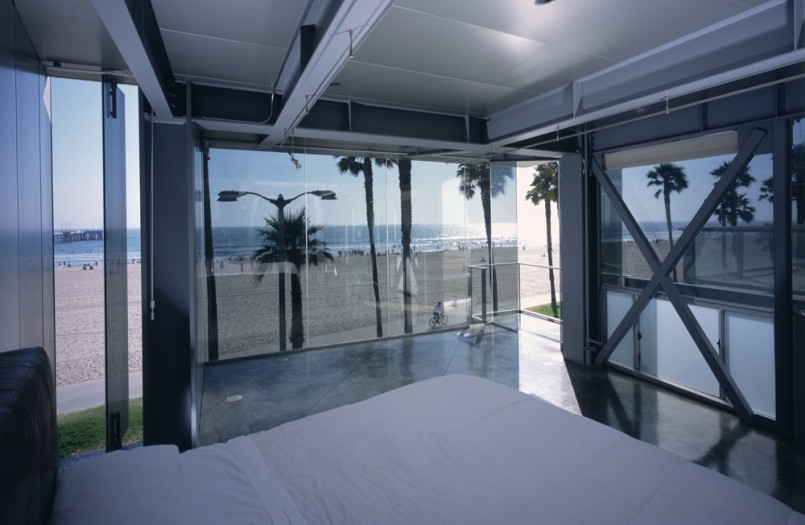
The house is located on 28 x 89 foot lot on the Ocean Front Walk in Venice Beach. Due to the lots’ long and narrow dimensions, the design intent is to create a series of angled walls and reveals in the side elevations in order to provide for view corridors down the side yards to the ocean. The space between the tapered walls is used for pivot windows, which allow for the modulation of the natural prevailing breezes through the house.

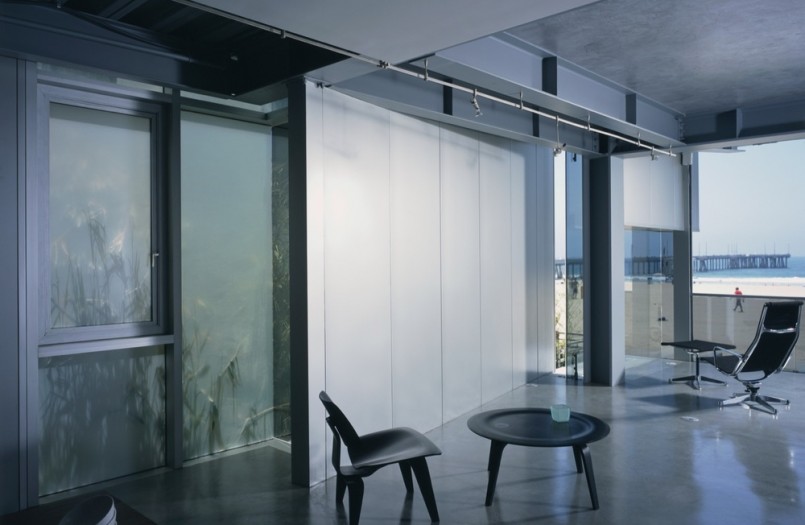
The narrow structure afforded the opportunity to create a clear span structural system, eliminating the need for any interior load bearing walls. By omitting interior walls, natural ventilation air paths can flow from the Ocean Front through the entire interior and out the Leeward side of the building. To create the clear span spaces, a steel building system of wide flange steel columns and beams, diagonal brace frames with composite steel and concrete decking and concrete slabs are used to create a rigid diaphragm so that no shear walls are required.

The building’s skin is made of pre-fabricated panels, typically used for walk in refrigeration buildings. The panels are manufactured out of 6-inch thick foam skinned with thin sheet aluminum that is painted with a Kynar paint finish. The 6-inch thick panels are 30 inches wide x 30 feet tall and weigh less than a hundred pounds each. Two men simply install each panel, which orient vertically with an interlocking joint and are screwed to the closure plate at the floors. The panels are designed with a dull aluminum finish creating a surface that has a subtle reflectivity of the changing colors of the sky and sunsets.

David Hertz - Panel House

Transparent House

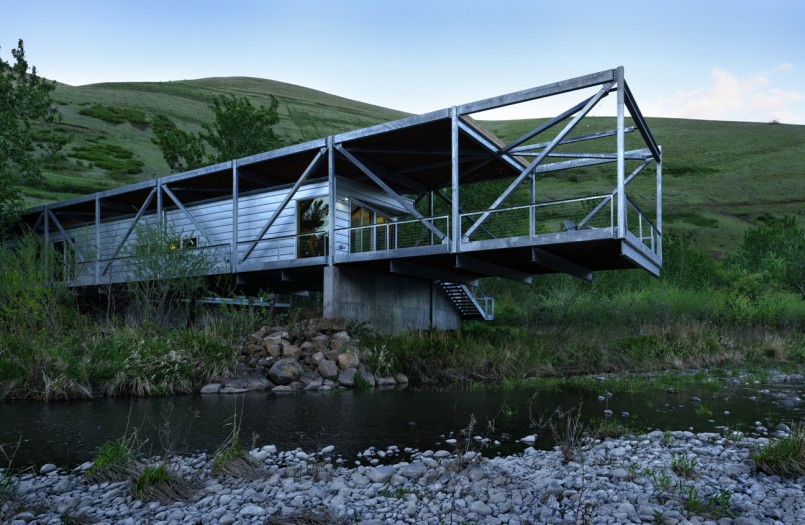
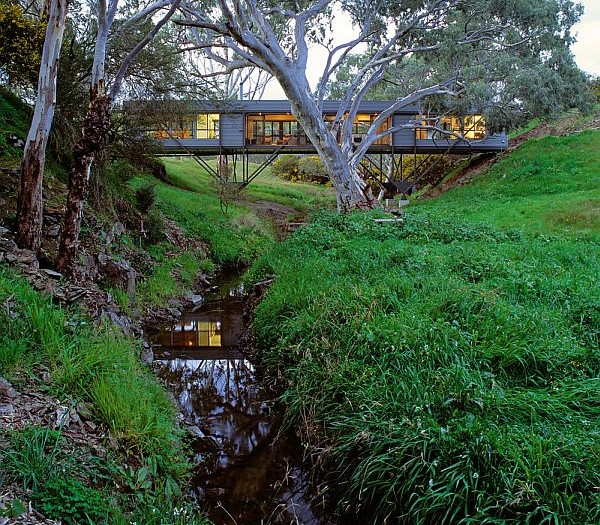
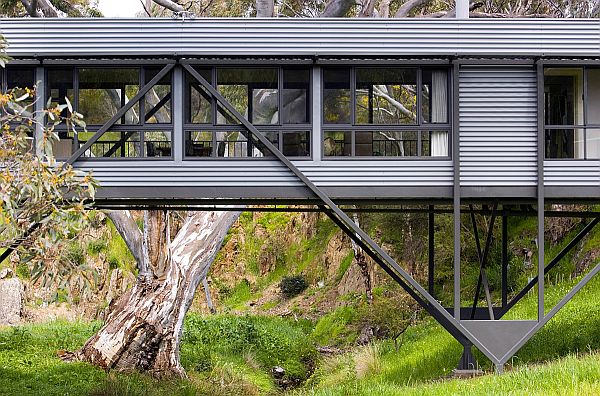
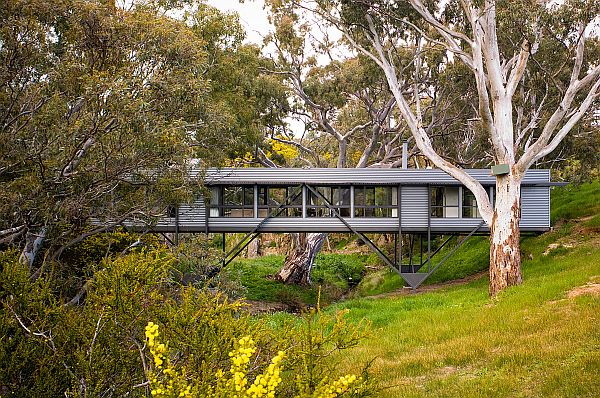
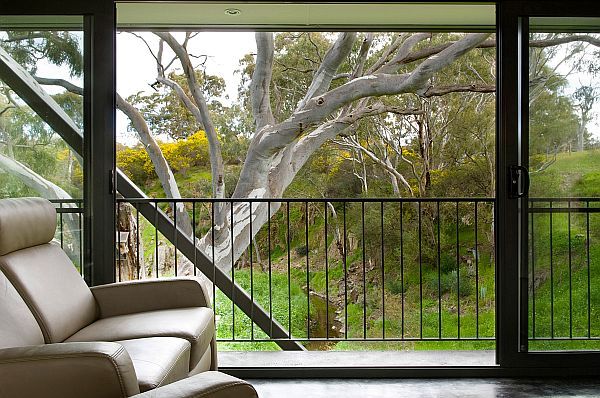
Bridge House cautiously. It is made of two rolls of steel with concrete floors and steel decking, has a roof made from plantation pipe and fitted with transparent glass walls. Another example of narrow houses, is certain to bring out feelings of entry Worth $ 175,000, Bridge House is situated in one hour drive from Adelaide. The bad guys from Max Pritchard Architect wants to bring out the adventurer in you. Apparently, people think nothing is more challenging than living in a bridge “” surrounded by lush green scenery

Transparent House

Architect Max Pritchard

Pool House

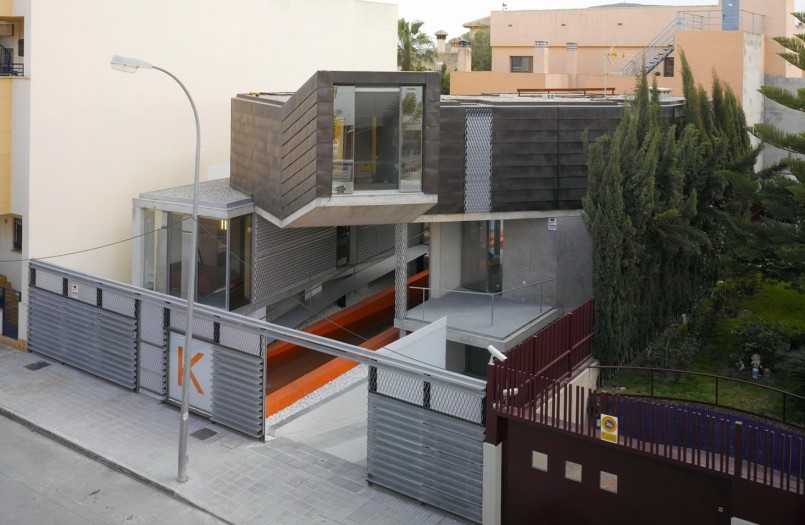
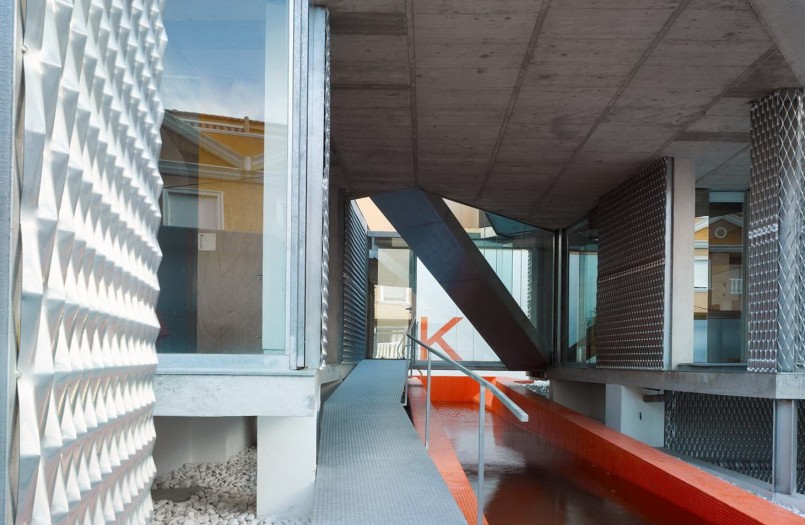
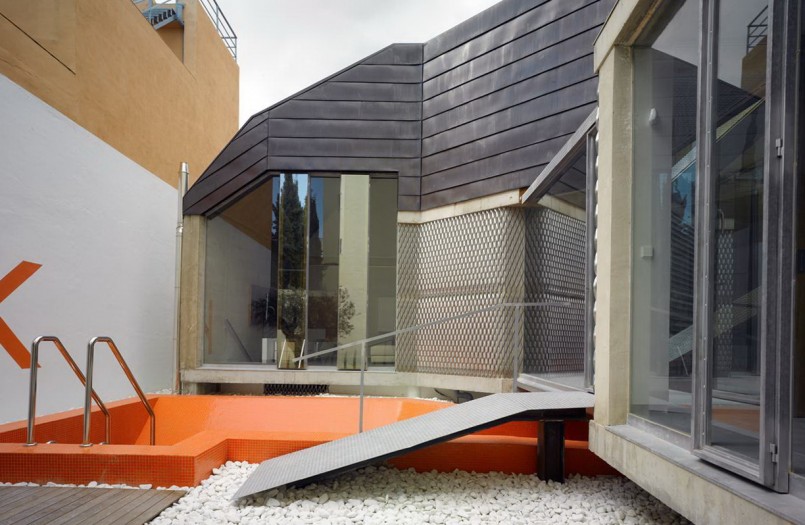
Joaquín Alvado Bañón has recently completed the Pool House, a project that research the relation between architecture and water, in Orihuela, near Alicante, Spain. It is a rethinking, in a sustainable way of life, to transform the way of promoting the east side of Spain.

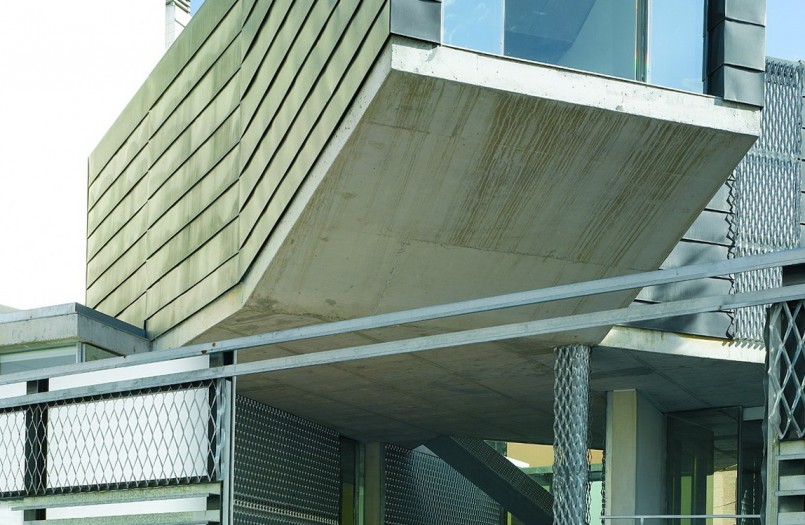
Architecture twists and turns seeking nature, it looks towards the mountains of Orihuela, and it pokes out above its limitations. It is difficult to differentiate its limits, it is a city but also a landscape, it is a private space but at the same time it takes over a public space of the street. The built parts are reflected and fragmented through the use of reflex glass in the steel carpentries.

Three personalities and one environment formally, these are three independent volumes fused into one project. Each volume has its own personality and privacy. The meeting points between the parts are made by horizontal and vertical stairs, a “Y” bridge and double heights favoring expected and unexpected relationships. Semi-private and private places for meeting are intertwined as in life itself.

Pool House article
Architect Joaquin Alvado Banon

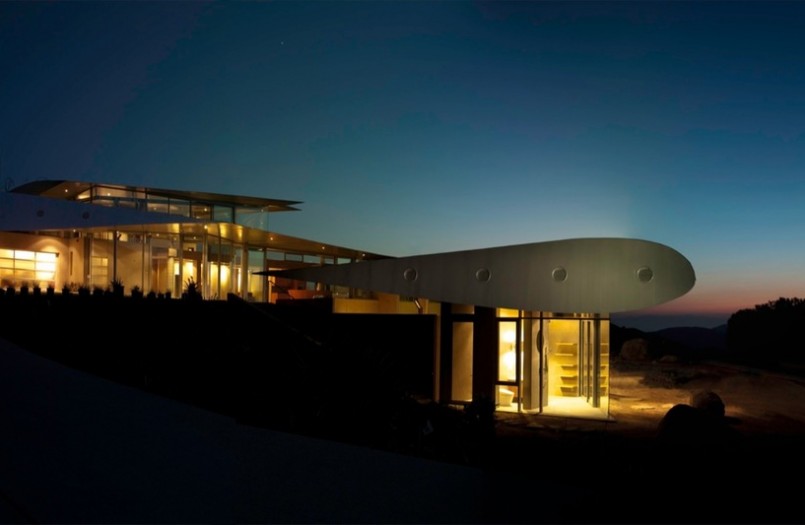
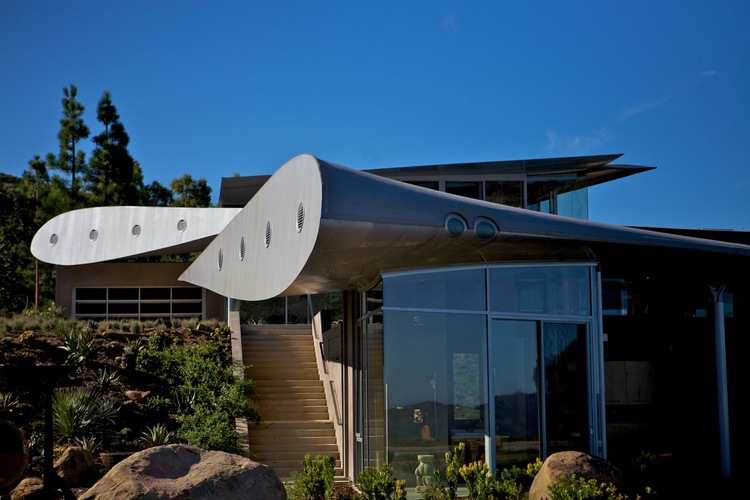
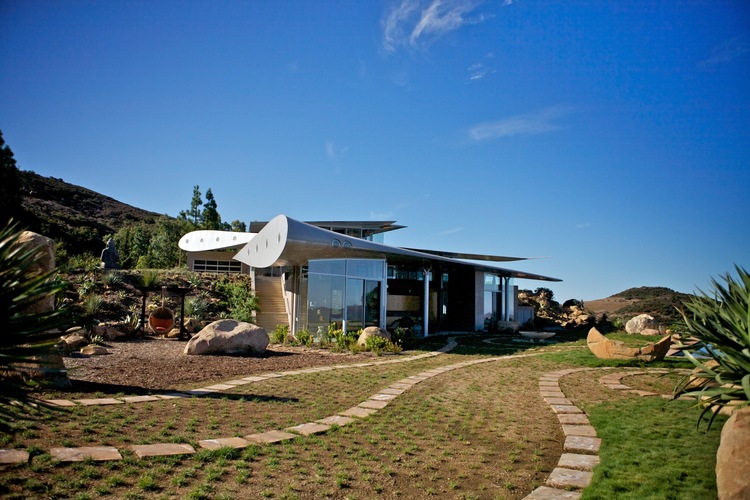
747 Wing House

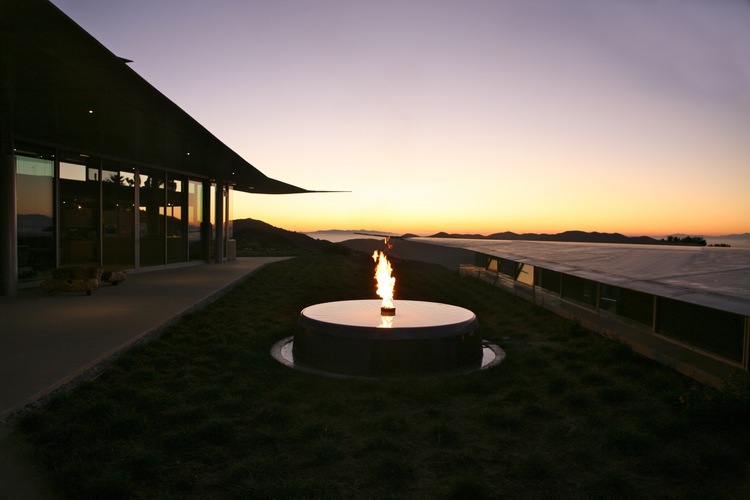
This project exists on a 55-acre property in the remote hills of Malibu with unique topography and panoramic views looking out to a nearby mountain range, a valley, and the Pacific Ocean with islands in the distance. In searching for inspiration, I imagined a roof structure that would allow for a un-obstructed view of the mountain range and distant views. The client, a woman, requested curvilinear/feminine shapes for the building. The progenitor of the building’s form was envisioned as a floating curved roof. It soon became apparent, that in fact, an airplane wing itself could work. In researching airplane wings and superimposing different airplane wing types on the site to scale, the wing of a 747, at over 2,500 sq. ft., became an ideal configuration to maximize the views and provide a self supporting roof with minimal additional structural support needed.

David Hertz - 747 Wing House

David Hertz interview