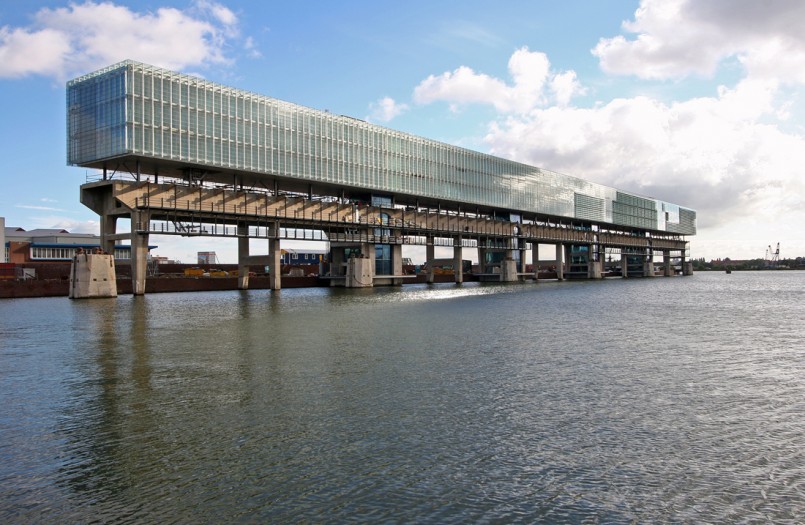
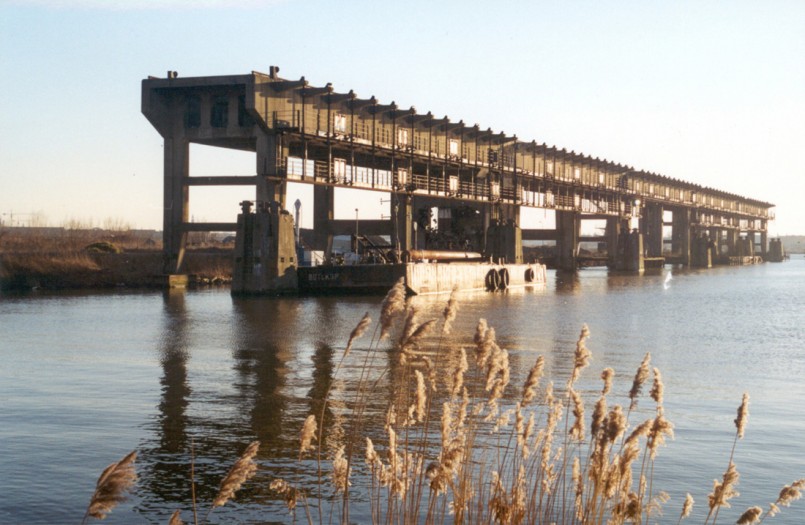
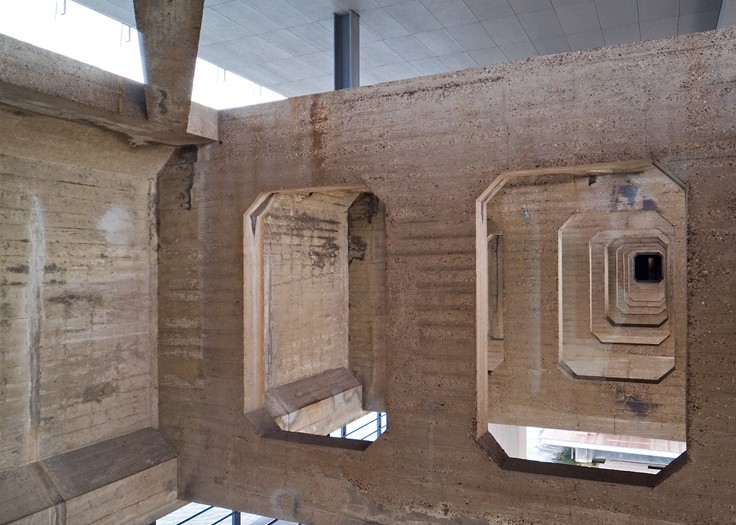
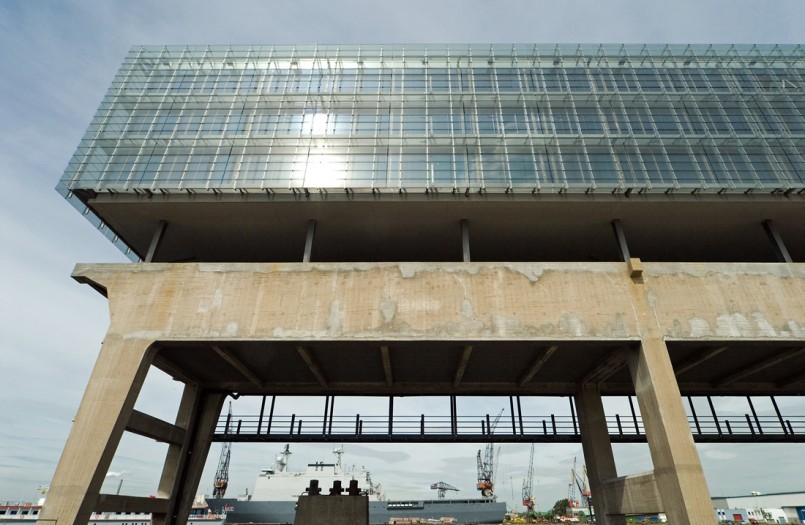
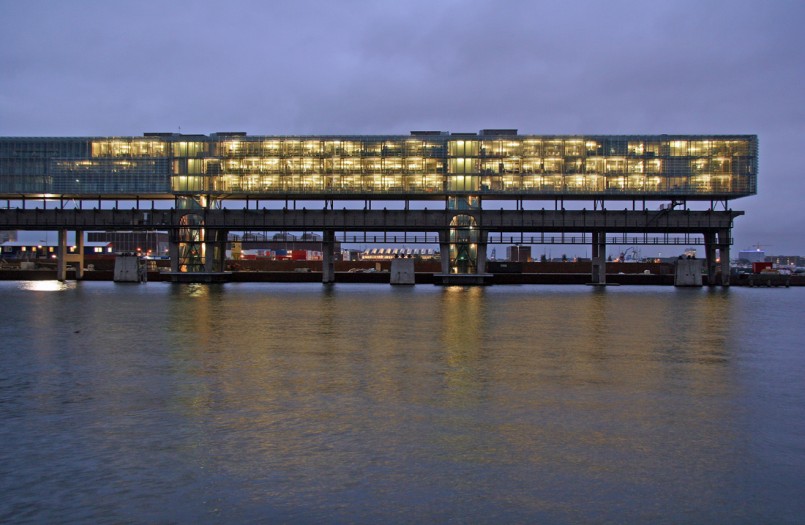
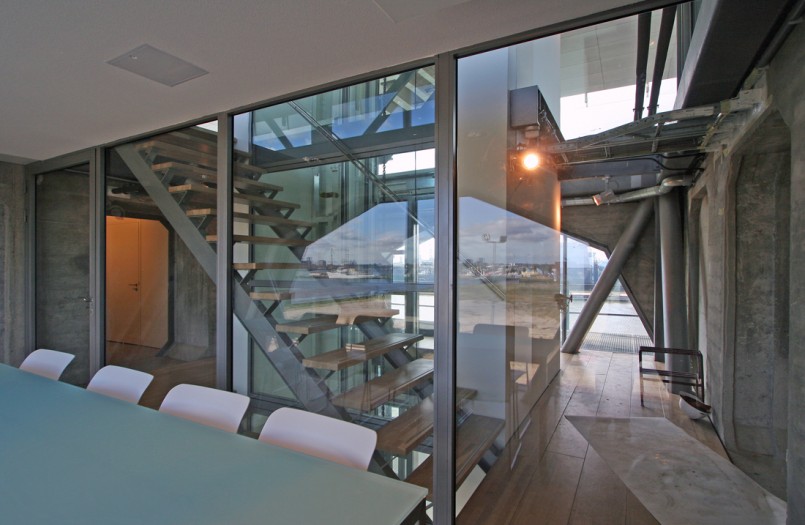
Kraanspoor (translated as craneway) is a light-weight transparent office building of three floors built on top of a concrete craneway on the grounds of the former NDSM (Nederlandsche Dok en Scheepsbouw Maatschappij) shipyard, a relic of Amsterdam’s shipping industry. This industrial monument, built in 1952, has a length of 270 meters, a height of 13,5 meters and a width of 8,7 meters. A street length and width. The new construction on top is the same 270 meters long, with a width of 13,8 meters, accentuates the length of Kraanspoor and the phenomenal expansive view of the river IJ. Fully respecting its foundation, the building is lifted by slender steel columns 3 meters above the crane way, appearing to float above the impressive concrete colossus.
Category: Inside commercial design inspirations
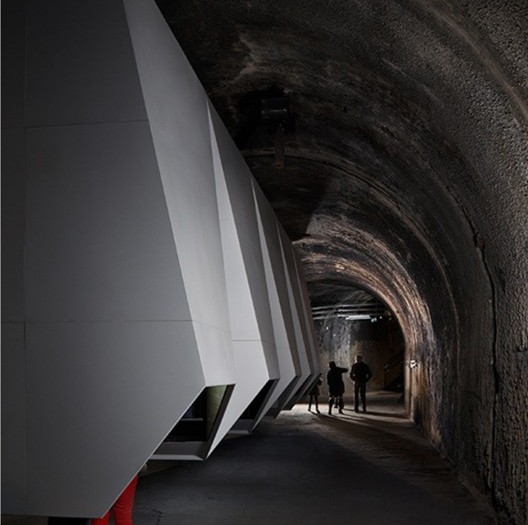
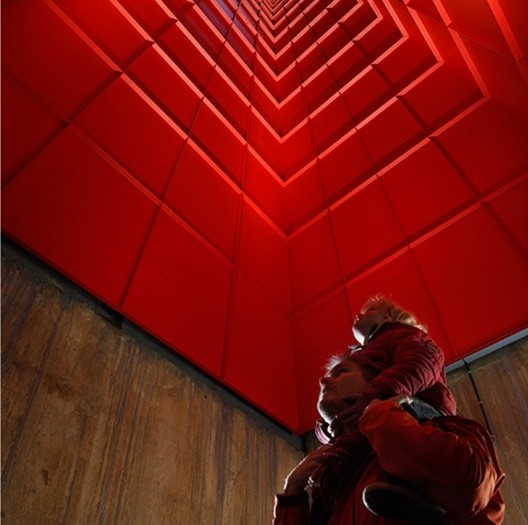
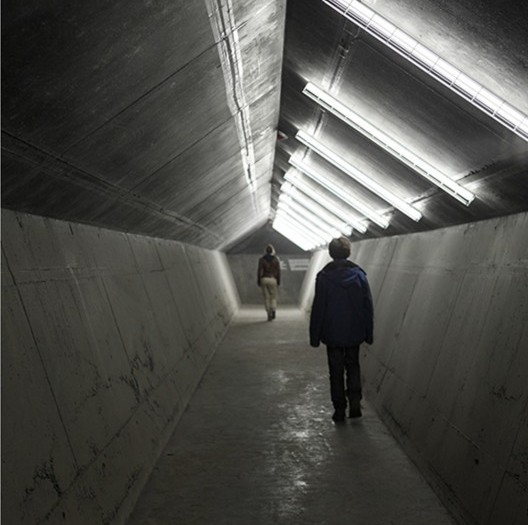
From the architect. C-tour is the winning project for the design of an underground tourist attraction within the reconversion of the old mine-complex of Winterslag in Genk. C-tour is a tour under and above the ground, with focal point on the experience, made by linking some existing subterranean mine-industry constructions with new structures and tunnels.
ArchDaily - Article
Architect - NU architectuuratelier

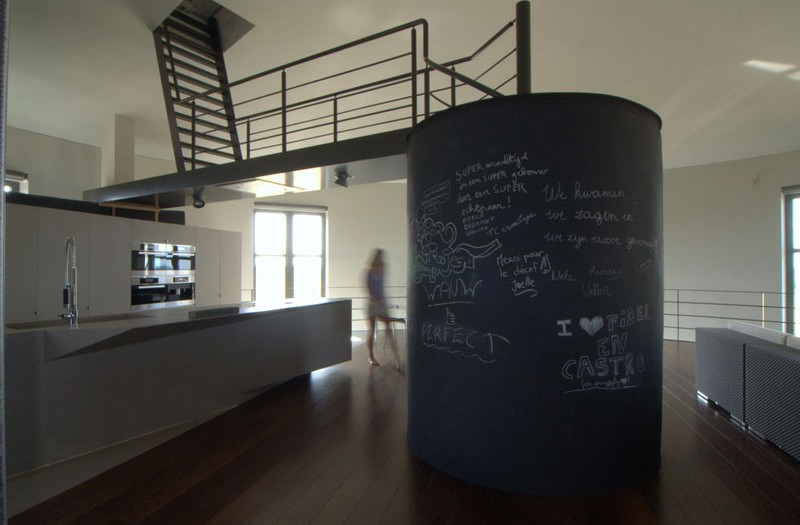
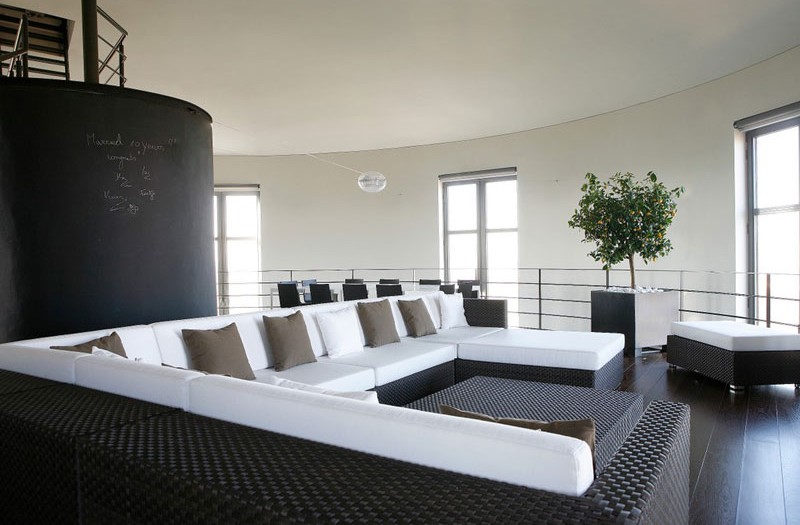
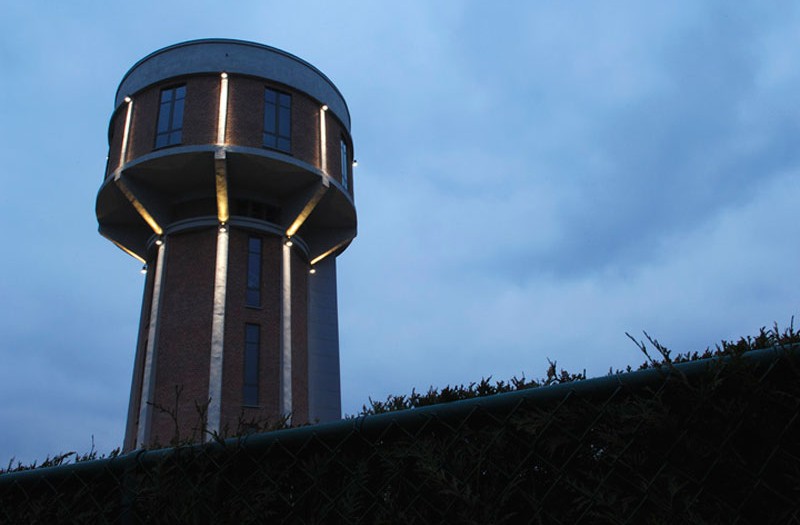
Located in the Belgian village of Steenokkerzeel, this 30 meter (98.4 ft) water tower was originally built between 1938 and 1941. It was in service until the 1990s and was even used as a watchtower by the Nazis when they took over Belgium in World War II.
In 2007, Bham Design Studio set forth to completely renovate and convert the former water tower into a single family home. The exterior was completely restored to its original state, while columns were repaired, joints were removed and top floor windows were enlarged.
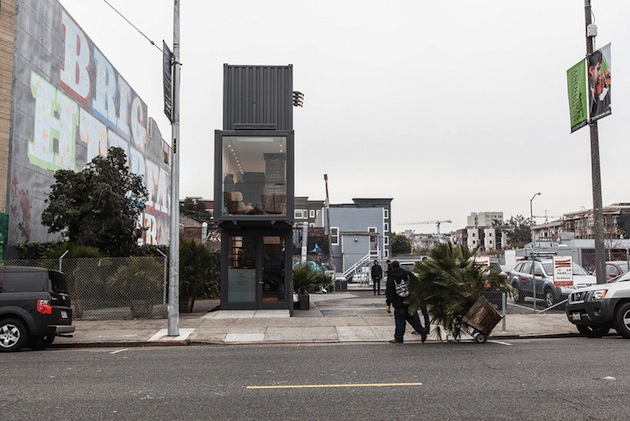


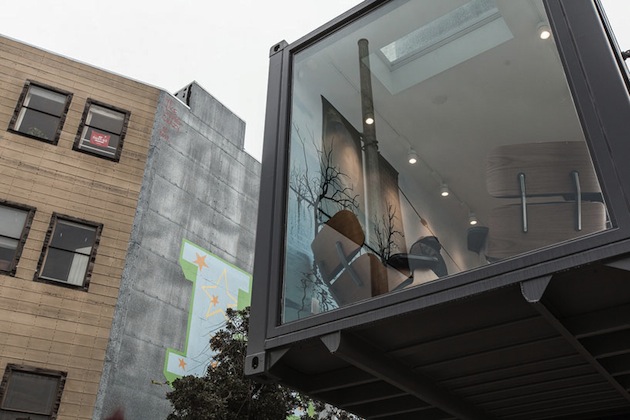
Shipping container design is getting to be more and more of an interesting and eye-catching feature when you’ve got a business that’s based on consumers. Aether Apparel in San Francisco has taken their shop to all new heights (literally) with their three stacked shipping container design by Envelope A+D in collaboration with Chris French Metal.
By taking standard sized containers and offsetting them, they create cantilevered sections on the second and third stories. Glass casements allow for another architectural element to show off the structure and its upcycled nature. The interior is outfitted with reclaimed oak flooring and even a conveyor belt for a little extra element of surprise.
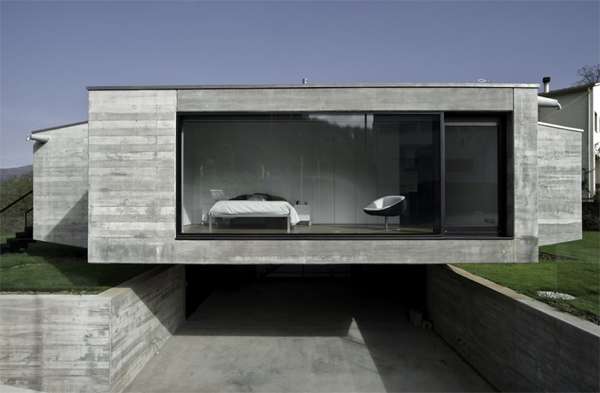
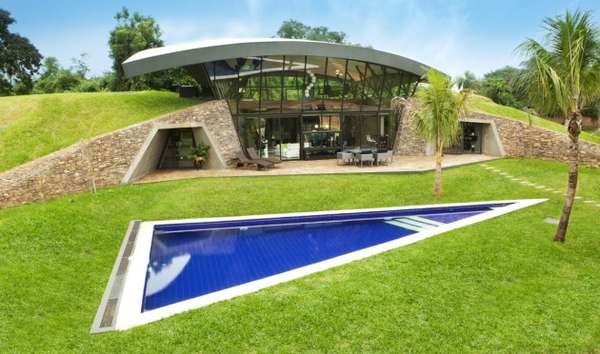
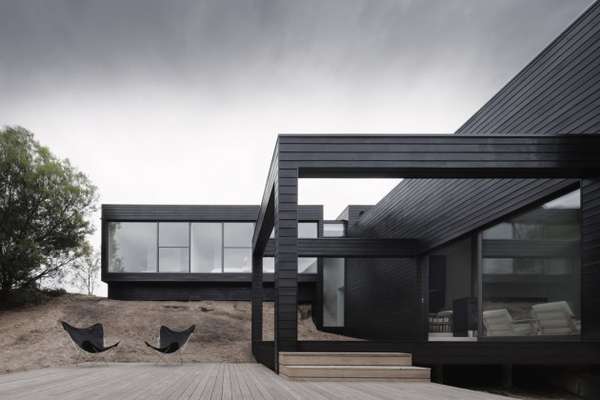
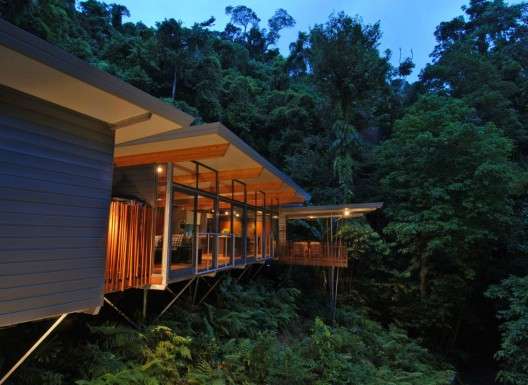
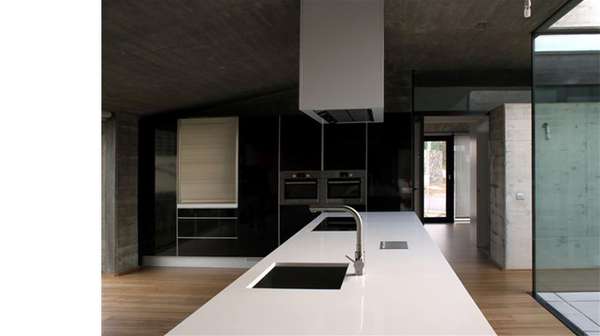
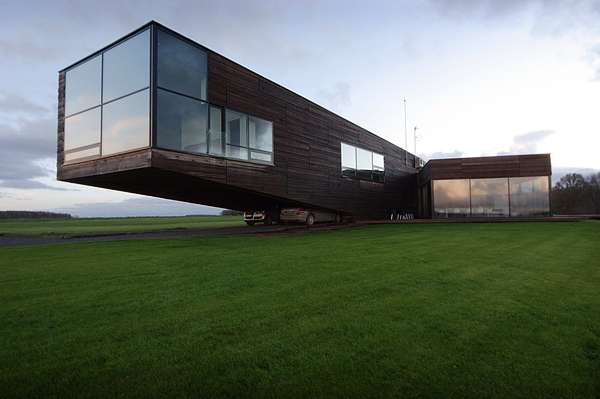
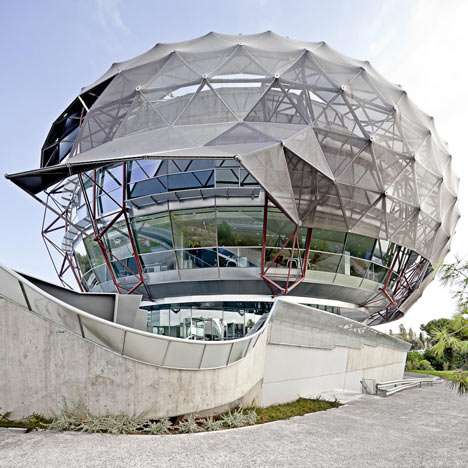
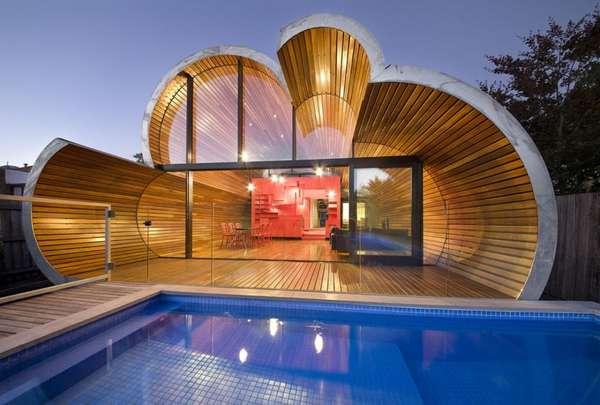
From dirt wall abodes to pixelated panel interiors, the best architecture trends of 2012 showed a wide range of innovative designs.
2012 was also a year for homes inspired by pop culture. The Hobbit in particular was a popular theme leading up to the movie’s release in December, resulting in architecture with a seemingly earthy feel. It appeared that consumers were open to new designs with this eco look, and some even welcomed homes made mostly out of dirt. Compared to some of the more modern chic abodes on the market, designs such as these proved the public were still willing to buy homes with a minimum amount of grandeur.
Trend Hunter’s Architecture Trend Report explores the implications of these designs in much more detail, and can help businesses looking for ideas in this area.
TrendHunter - Article
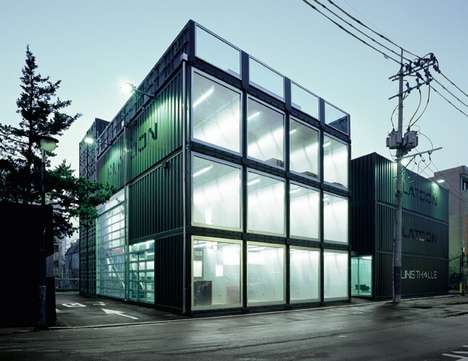
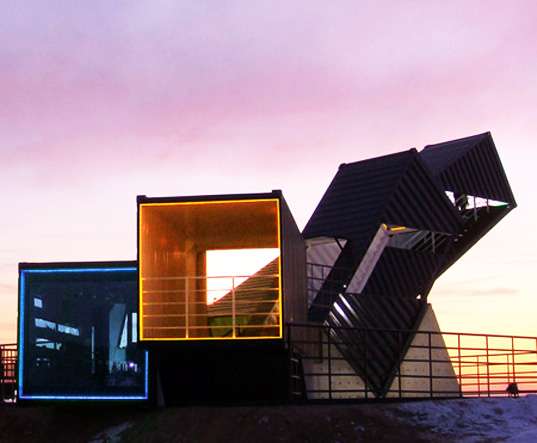
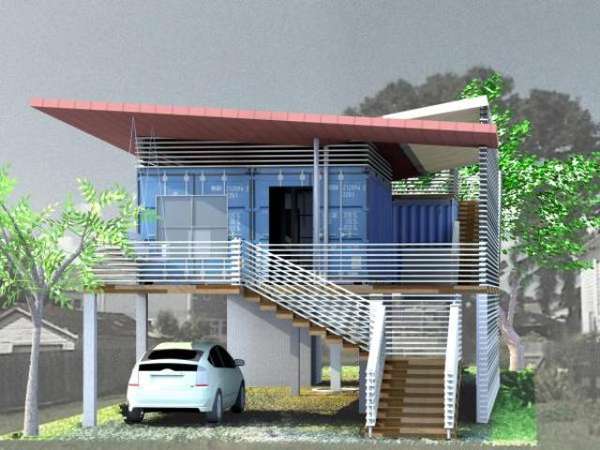
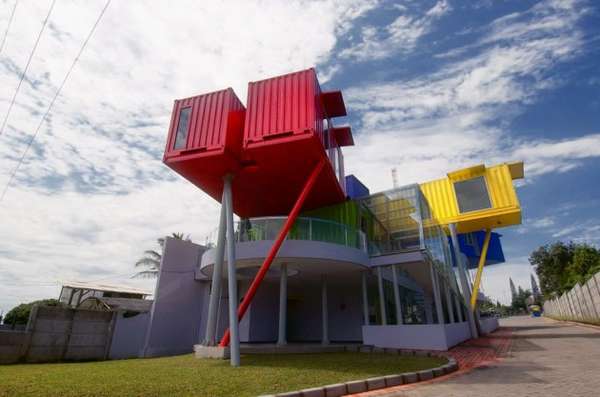
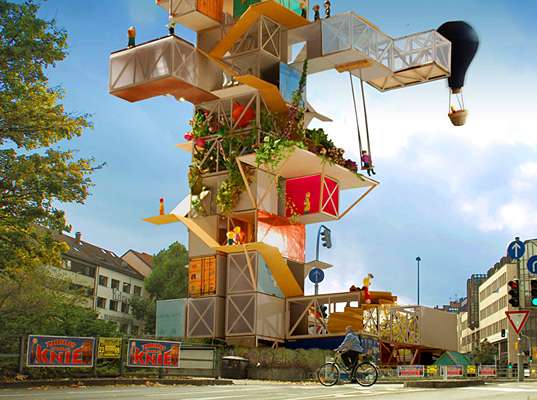
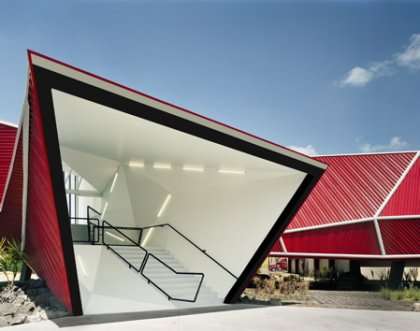
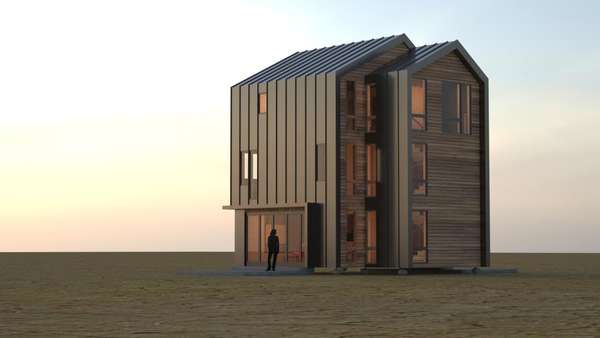
The rise in popularity of shipping container concepts underscores our competitive and quick-changing society in which companies, housing and art space have to constantly adapt.
Shipping containers are the new space for anything from coffee shops to furniture stores. The temporary nature of these shops is a valuable aspect of the business model. An element of exclusivity and time-sensitivity is the novelty aspect that attracts people to the shop. The flexibility that comes with temporary locations increases consumer accessibility to products or services.
The shipping container wins in terms of practically, as idle shipping containers can be repurposed for tangible use and the industrial look is both mod and rad in contemporary design circles.
Industrial Box Coffee Shops to On-Demand Housing Article
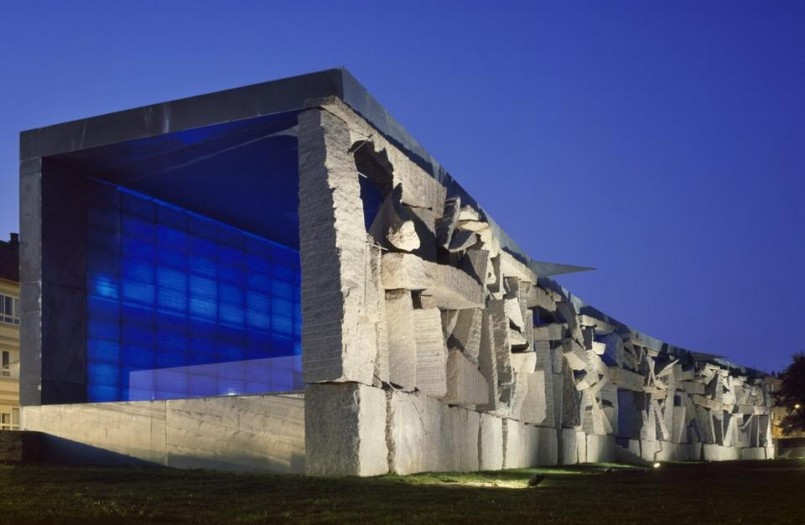
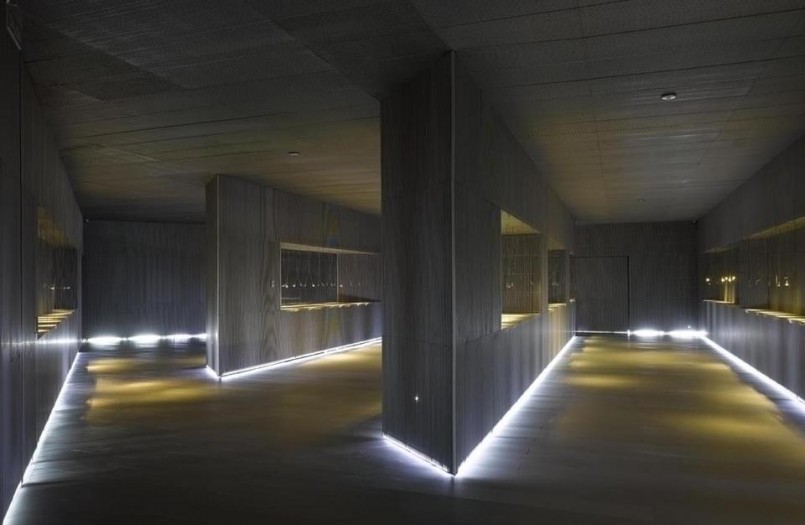

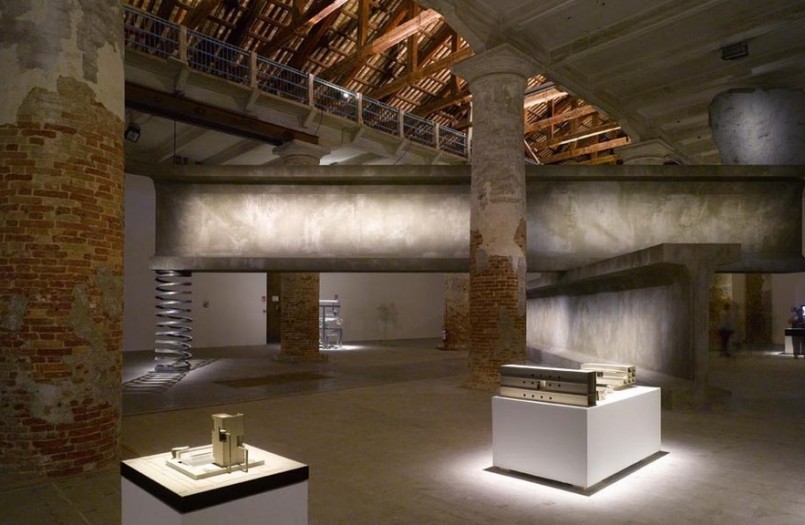
Ensamble Studio
Antón García-Abril, (Madrid, 1969) is a European PhD Architect, full-professor at the School of Architecture and Planning of the Massachusetts Institute of Technology (M.I.T.), and he is currently developing a second doctoral thesis about “Stressed Mass” at the School of Civil Engineering of the Polytechnic University of Barcelona. He received the Spanish Academy Research Prize in Rome in 1996. He has been associate professor at the School of Architecture of the Polytechnic University of Madrid (E.T.S.A.M.-U.P.M.) for a decade, invited professor at the Graduate School of Design of Harvard University in 2010 and Cornell University in 2008, and visiting critic and lecturer in different universities and institutions in America and Europe. In 2000 he establishes ENSAMBLE STUDIO leading, together with his partner Débora Mesa, a cross-functional team with a solid research background on the lookout for new approaches to architectonical space, building technologies and urban strategies. Their built projects are exposed structures that explore the essence of materials to create space. The Music Studies Center and the SGAE Central Office in Santiago de Compostela, the Martemar House in Malaga, the Hemeroscopium House in Madrid, The Truffle in Costa da Morte (Spain) and more recently the Reader’s House in Madrid and the Cervantes Theater in Mexico City have been internationally published. Their office has been awarded with important prizes like The Rice Design Alliance Prize to emerging architects in 2009 or the Architectural Record Design Vanguard Prize in 2005, and was selected by SANAA to participate in the Venice Biennale of Architecture 2010. This year Antón has been elected an International Fellow of the Royal Institute of British Architects (RIBA) for his services to international architecture, and has been curator of the Spanish Pavilion at the Venice Biennale presenting “Spainlab”. He co-founded with Débora Mesa the Positive City Foundation in 2009, with the aim of forwarding their views on urban development, and they are in the process of setting up a research laboratory at MIT, the POPLab (Prototypes of Prefabrication Laboratory).
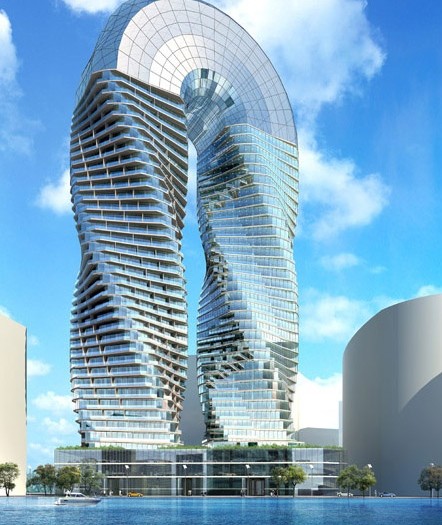
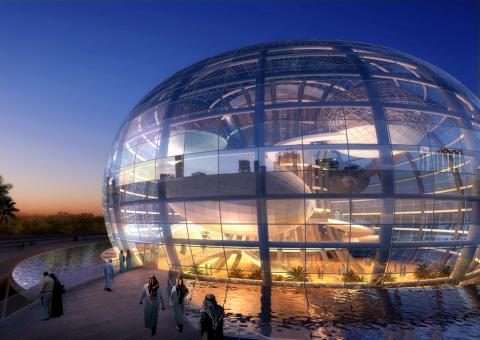
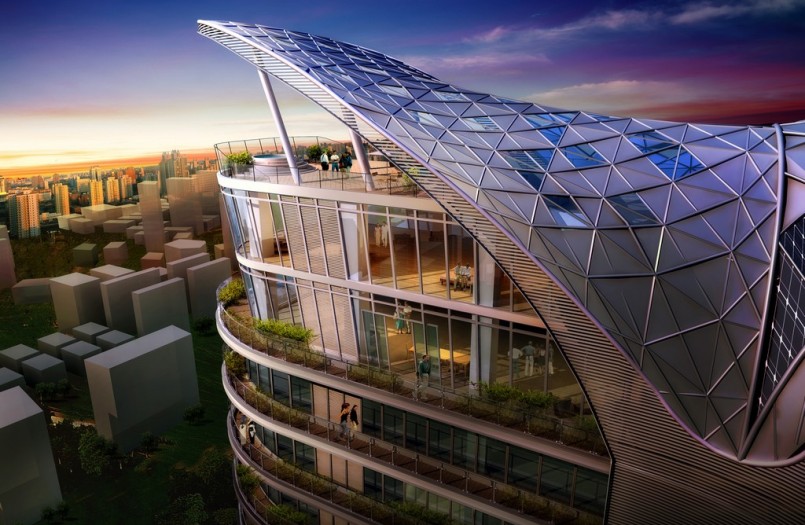
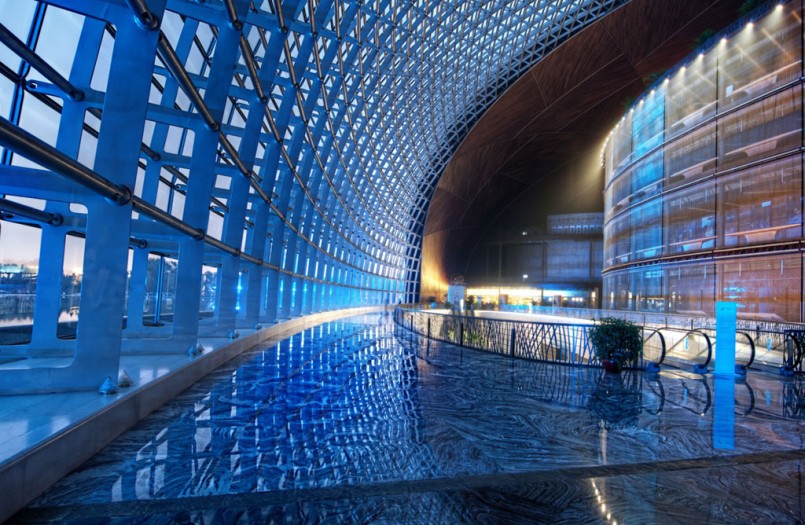
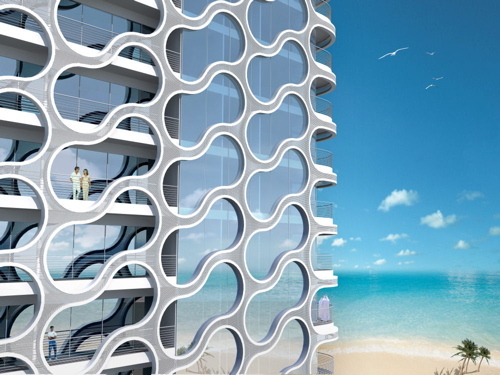
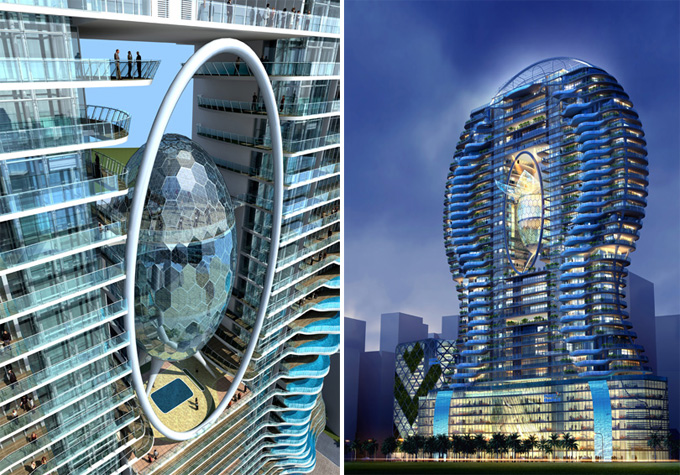
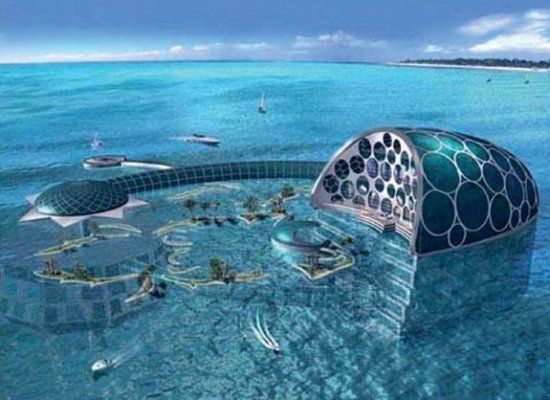
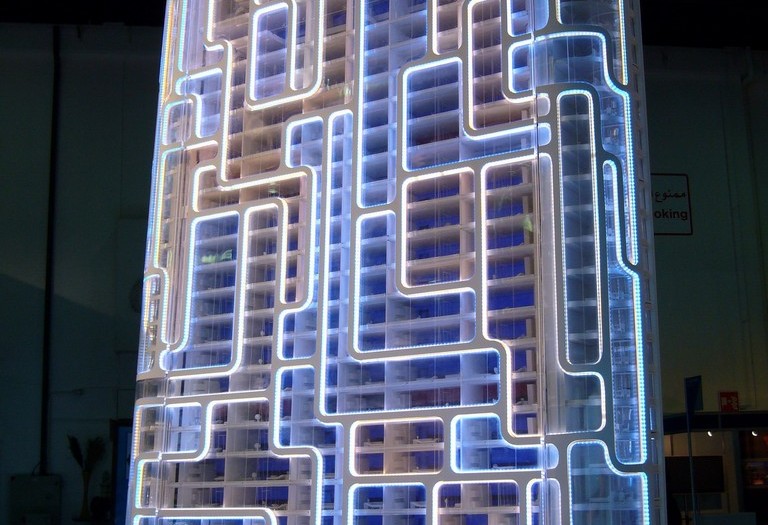
CYBERTECTURE
Cybertecture is the revolutionary concept that provides a symbiotic relationship between the urban fabric and technology. Pioneered in 2001, Cybertecture forges both the hardware of the built environment and software systems and technologies from the micro to macro scales of development.
The genesis of Cybertecture is in response to man’s progress into the 21st century, where working and living environments need to adapt and evolve to cope with the demands of modern working life. It plays an integral part in this evolution by providing awareness and connectivity via seamless integration of technology into the fabric of space.
Cybertecture designs, from technology, products and interiors to systems, buildings and masterplans, allow flexibility and accessibility to inform, adapt, react, communicate, manipulate and control environments, whilst being sustainable and environmentally considered in application and context.
Cybertecture embraces the future through continuous innovation and evolution of design and technology. It provides a myriad of solutions, all of which are diverse in individual application but holistic to the overall user environment, and always being integrated with innovation being pursued.
Cybertecture is the logical progression in the evolution of design and technology. Innovating locally and affecting globally, it addresses the fundamentals of sustainable and balanced designs, with every step taken in consideration to local and global impact.
In a world fast growing and developing with limited resources, Cybertecture aims to create more awareness with healthier environments to live, work and play in.
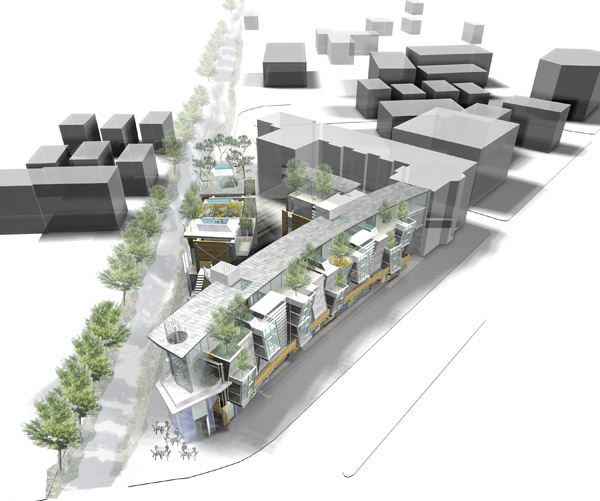
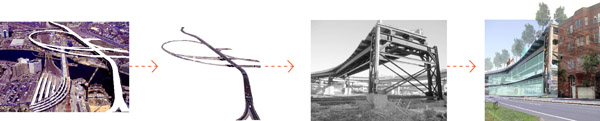
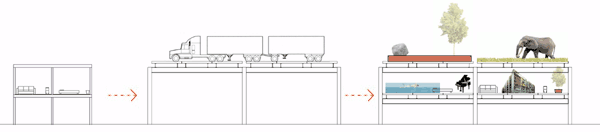
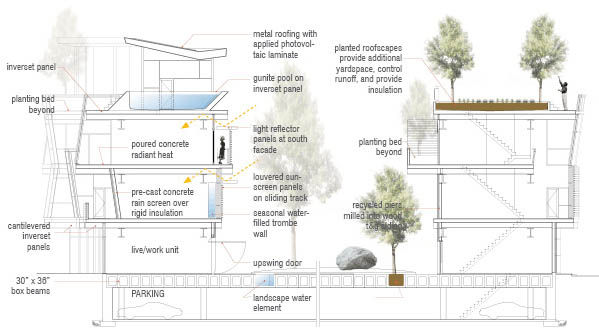
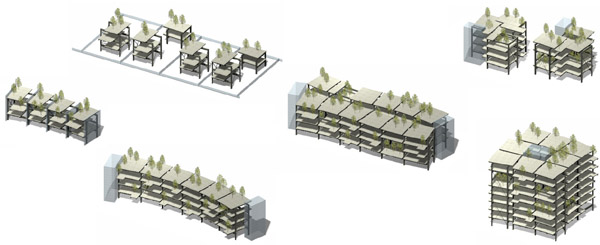
Most are familiar with Boston’s ongoing “Big Dig.” Few, however, give thought to the massive amount of waste that accompanies construction on this scale, namely the dismantling of the existing and temporary roadways. The Big Dig Building proposes to relocate and recycle these infrastructural materials as building components, adapting them to uses ranging from structural members to cladding. Furthermore, as these reused materials can withstand much higher loads than conventional building elements, the social ramifications of “heavy” in relation to “dwelling” can produce new and innovative results.
Recent Comments